June 12, 2026
Maintaining a comfortable, healthy, and energy-efficient indoor climate is an essential priority for modern homeowners, directly affecting seasonal utility expenditures and household well-being. The complex heating, ventilation, and air conditioning networks that regulate residential environments function continuously beneath the surface, enduring constant mechanical wear to modulate temperatures and filter airborne particulates. Because these systems operate quietly in utility closets or outdoor spaces, property owners frequently overlook their gradual mechanical degradation until a sudden, catastrophic breakdown forces an emergency service scenario. Committing to a disciplined framework of routine residential HVAC maintenance protects households from unexpected financial shocks, limits premature equipment failure, and ensures uncompromised indoor comfort throughout the calendar year. By understanding the critical procedural, economic, and safety motivations behind systematic equipment care, proactive householders can transform their environmental systems into highly resilient, long-lasting assets.
The long-term economic advantages of establishing a consistent climate control strategy extend far beyond simple temperature regulation, serving as a powerful driver of monthly utility savings. Modern machinery relies on perfectly calibrated components to optimize fuel and electrical consumption, but even microscopic accumulations of dust or minor electrical drift can severely hamper overall system performance. According to This Old House, standard programmable thermostats can save up to 10% with setbacks of 10 degrees for eight hours, but only if someone takes the time to program them. This significant data point highlights how simple, intentional adjustments to operational parameters yield substantial dividends when combined with consistent equipment upkeep. Rather than viewing property management as a series of reactive responses to mechanical failures, property owners must embrace a proactive philosophy that prioritizes technical optimization.
Replacing Air Filters
Swapping out saturated air filters at regular intervals represents the single most impactful task a homeowner can perform to sustain uncompromised airflow mechanics. As a system circulates air throughout the living space, the media filter captures dust, pet dander, pollen, and airborne debris to protect both indoor air quality and delicate internal components. Over time, this debris accumulation creates a dense, nearly impenetrable barrier that forces the blower motor to work significantly harder to pull air through the system. This chronic strain accelerates component wear, increases electrical consumption, and can cause the cooling coils to freeze over entirely due to restricted thermal transfer. Inspecting these filters monthly and inserting fresh, high-quality replacements ensures that the system maintains optimal aerodynamic efficiency and unrestricted internal circulation pathways.
Cleaning Condenser Units
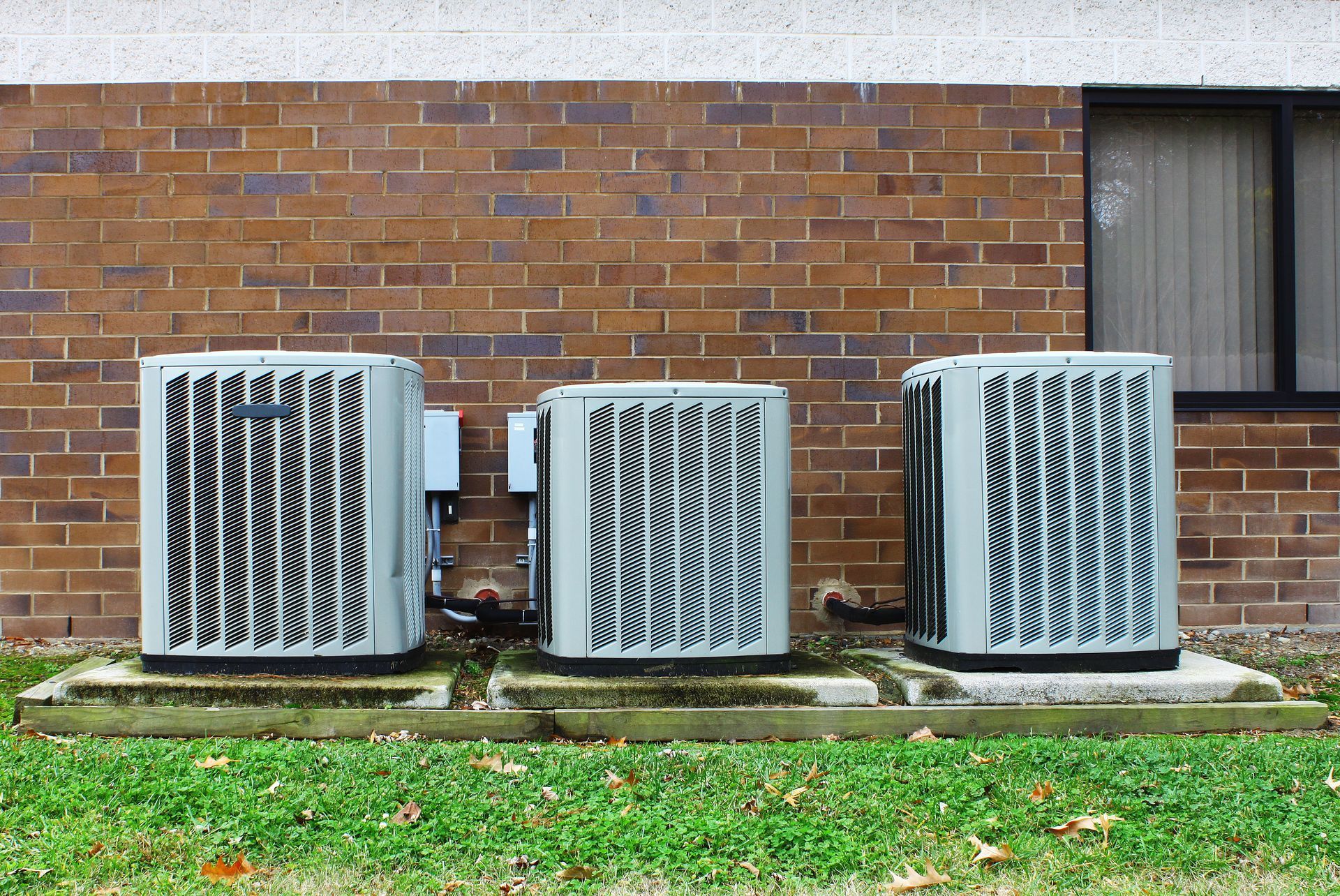
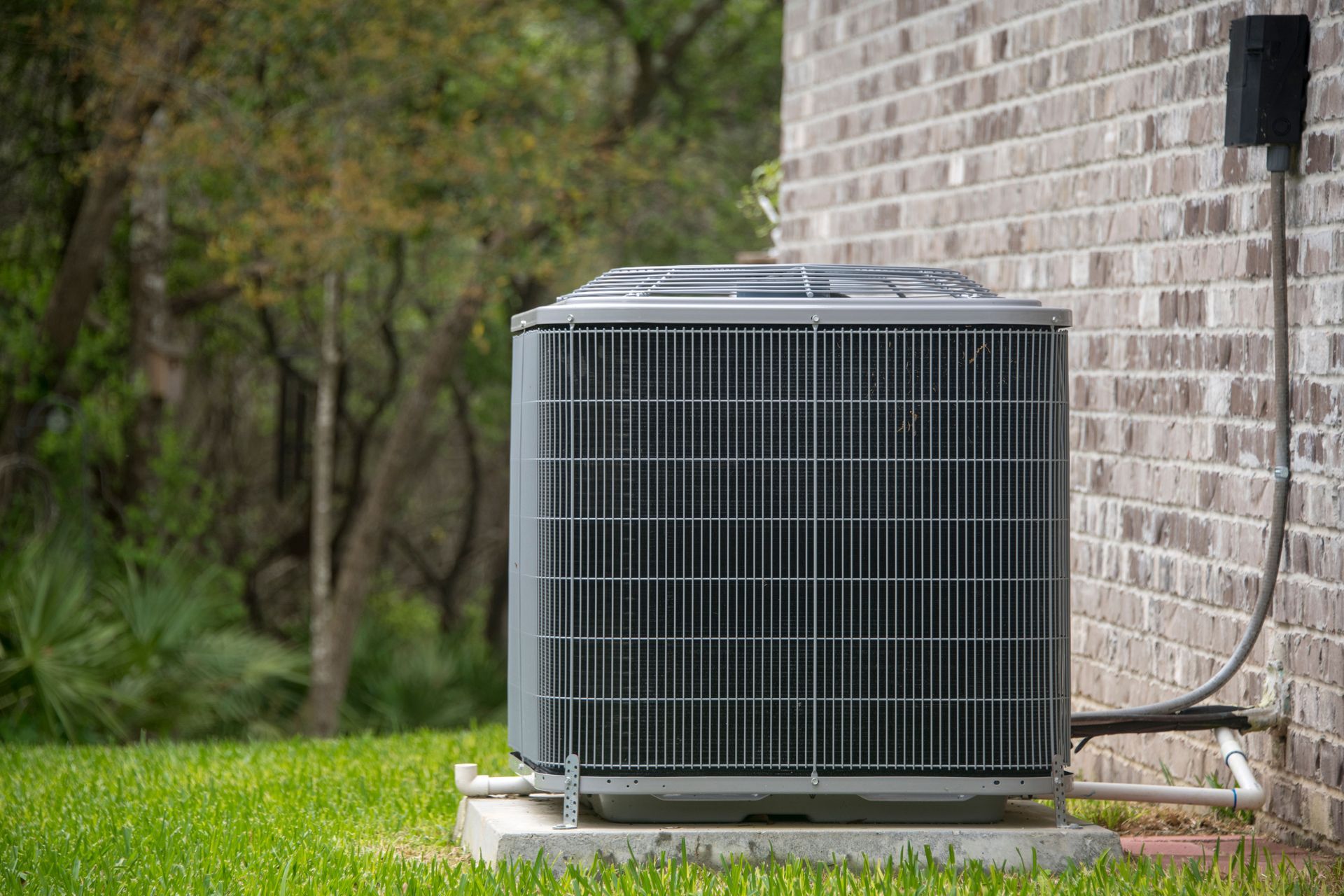
Removing organic debris, packed dirt, and intrusive foliage from around the outdoor compressor housing eliminates dangerous thermal blockages that trap heat. The outdoor component functions as the primary heat exchanger for the cooling cycle, utilizing a vast network of delicate aluminum fins to dissipate heat extracted from the home’s interior. When lawn clippings, fallen leaves, windblown twigs, or dense weeds coat these exterior fins, they form a highly restrictive insulation blanket that prevents effective heat rejection. This obstruction causes internal compressor pressures to skyrocket, forcing the unit to consume excessive amounts of electricity and shortening the overall lifespan of the motor. Clearing away a wide perimeter of vegetation and gently rinsing the metal fins with a low-pressure garden hose allows for unrestricted heat dissipation.
Clearing Condensate Drains
Flushing out the dedicated moisture removal channels prevents accidental water accumulation from overflowing into surrounding structural walls and drywall ceilings. During the cooling process, the indoor evaporator coil extracts massive amounts of humidity from the ambient air, causing water to continuously drip into a specialized collection pan below. This moisture then flows through a narrow PVC drainage line directed toward an external drain point or specialized automatic sump basin. Over months of continuous operation, dark, damp conditions inside the line encourage the growth of algae, slime, and mold that can easily clog the narrow passage. Pouring a cup of household vinegar down the drain line periodically destroys these biological blockages, guaranteeing that condensation flows freely without backing up into the home.
Inspecting Duct Networks
Examining accessible distribution channels for visible structural breaches, loose joint seals, and localized insulation failure safeguards precious conditioned air. A home’s ductwork serves as the arterial system for the climate control framework, delivering heated or cooled air to individual rooms before returning it to the main air handler. When sheet metal seams pull apart or flexible ducts develop punctures due to pest activity or shifting structural beams, massive amounts of conditioned air escape into unconditioned attics or crawlspaces. This thermal loss forces the primary unit to run for significantly longer durations to satisfy the target temperature requested by the household thermostat. Sealing visible gaps with specialized mastic compound ensures that every cubic foot of air reaches its intended destination.
Adjusting Vent Registers
Maintaining completely open and unobstructed supply and return grilles across every room preserves the precise static pressure balance required for safe operation. A common home management misconception involves closing vents in unoccupied guest bedrooms to conserve energy, but this practice actually compromises modern system aerodynamics. Heating and cooling systems are engineered to move a specific volume of air against a precise level of resistance, and closing vents restricts this calculated flow path. This restriction spikes internal static pressures, whispering stress directly to the blower motor and drastically increasing the likelihood of heat exchanger cracking or evaporator coil freeze-ups. Ensuring that furniture, heavy drapes, and storage boxes remain placed far away from all ventilation grilles keeps the internal pressures perfectly balanced.
Scheduling Professional Inspections
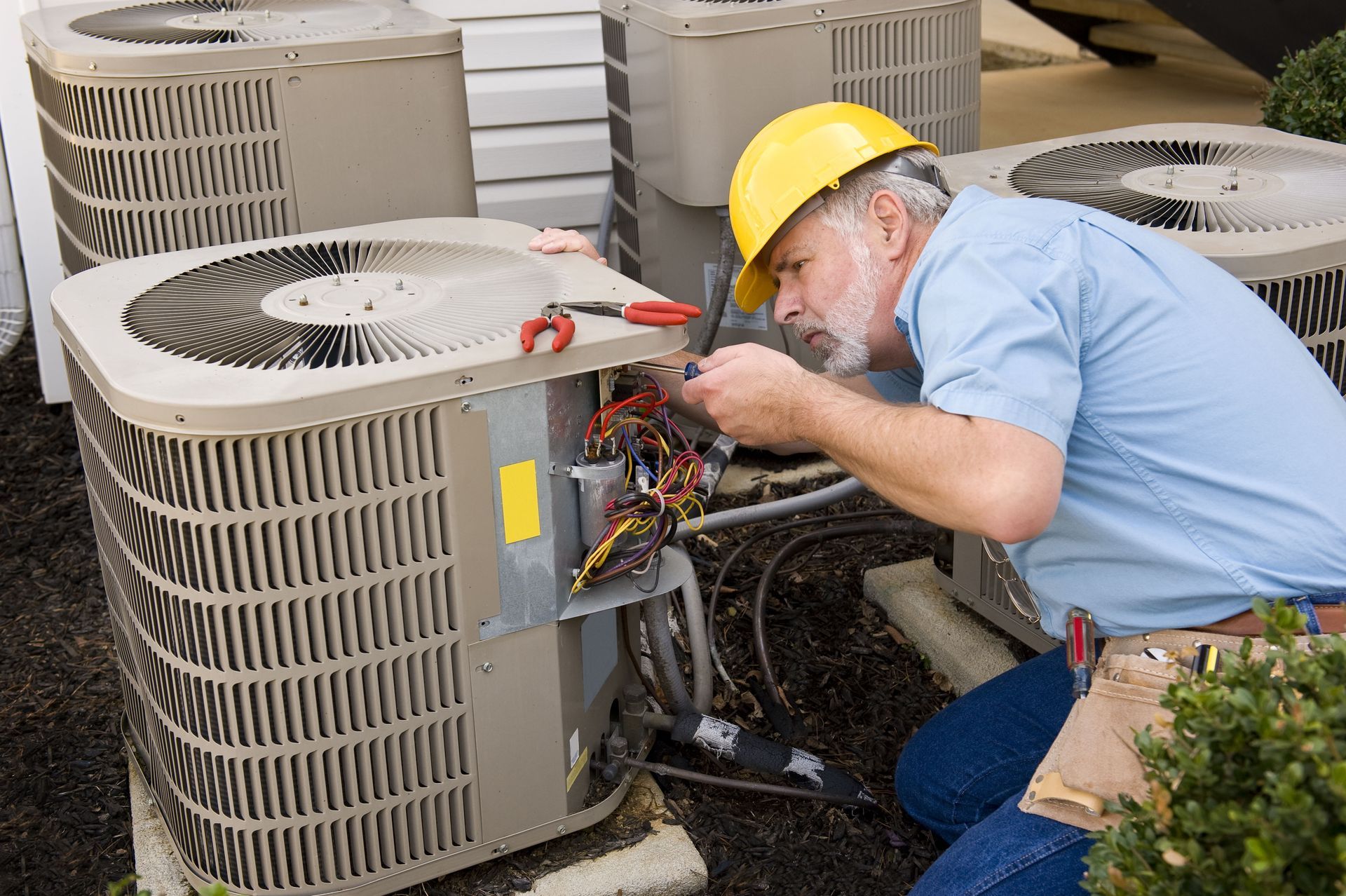
Partnering with certified technical specialists for an exhaustive biannual diagnostic evaluation guarantees that complex electrical and mechanical systems undergo master-level testing. While routine homeowner tasks keep the external infrastructure clean, highly technical procedures require advanced diagnostic equipment, specialized training, and strict adherence to safety codes. Certified technicians utilize specialized digital meters to measure electrical current draw, check safety shutoff switches, test for dangerous carbon monoxide leaks, and analyze refrigerant levels with chemical precision. Establishing this professional alignment prior to the peak summer and winter seasons ensures that subtle component wear is corrected before it triggers a complete system breakdown. This expert oversight provides comprehensive property protection and fulfills the documentation requirements mandated by equipment manufacturers to maintain active warranty status.
The long-term operational harmony of a modern residential structure depends directly on the consistency, technical care, and foresight applied to its primary environmental control systems. Allowing small operational inefficiencies, slight auditory changes, or minor airflow drops to pass unaddressed can cause localized component failures to cascade into full-scale system ruin. True structural health is achieved when homeowners transition from a state of passive neglect to an active framework of scheduled, comprehensive HVAC maintenance.
Ultimately, addressing the continuous care needs of your heating and cooling infrastructure with precision and professional support is the only definitive way to optimize energy efficiency and protect your property investment. Every dusty coil, misaligned belt, and restricted drain line demands a dedicated preservation strategy executed by certified specialists who refuse to cut corners on system safety. At Benchmark Service Company, Inc, our experienced collective team stands ready to deliver the comprehensive diagnostic scanning, rigorous safety testing, and precision component calibrations your home requires. Neglecting your system’s underlying mechanical health can lead to premature compressor burnout, poor indoor air quality, and astronomical utility expenses over time. Ready to secure your home’s long-term environmental comfort and ensure your system operates at peak engineered efficiency? Contact Benchmark Service Company, Inc today to schedule your professional HVAC maintenance consultation, and let our master technicians manage your indoor climate with the unmatched expertise, absolute transparency, and personal accountability you deserve.