June 9, 2026
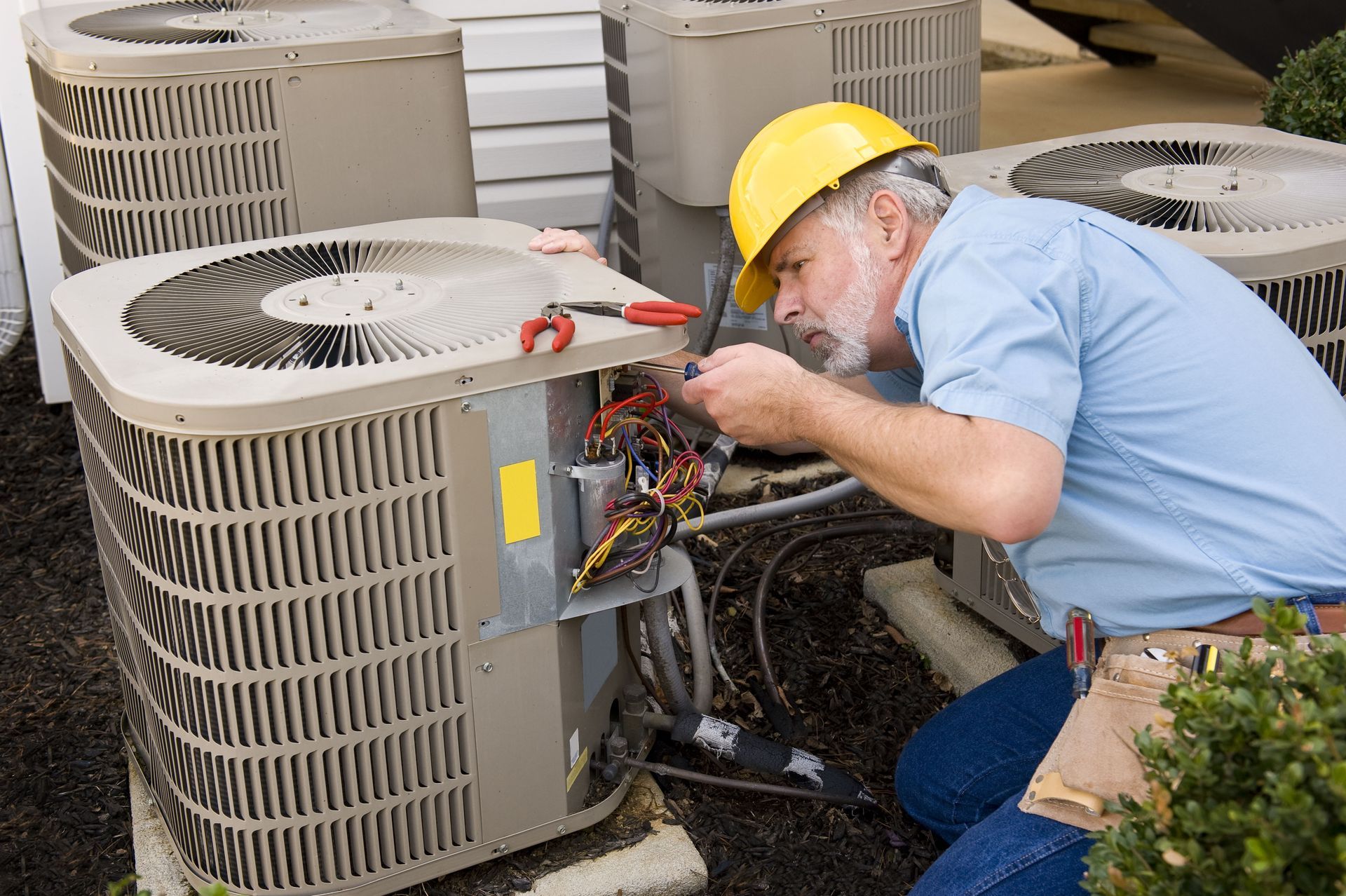
Maintaining a comfortable and efficient indoor environment requires a proactive approach to the climate systems in a home or business. Heating, cooling, and ventilation units are complex machines that require consistent attention to operate at their absolute peak performance. When proper HVAC maintenance is overlooked, it can lead to various hidden mechanical issues that compromise indoor comfort, drive up utility bills, and pose health risks. Recognizing the early warnings of neglected system care allows property owners to take quick action before minor issues escalate into complete system breakdowns. We want to help you identify these subtle and overt warnings so you can protect your equipment and keep your property perfectly conditioned all year long.
Listen for Unusual Noises From the System
Modern heating and cooling units are designed to run quietly in the background, so any sudden, unexpected sounds should be treated as a major warning sign. Banging or clanking noises usually point to loose or broken internal components that have detached and are floating around the housing. Rattling sounds often signal that loose debris has entered the ductwork or that specific casing hardware has vibrated loose over months of operation. Hissing noises are particularly concerning because they frequently indicate a refrigerant leak or structural breaches in your ventilation ducts. Squealing or screeching sounds typically stem from misaligned, slipping, or completely worn-out blower belts that need immediate tension adjustments or replacements.
If you ignore these auditory warnings, minor part friction can rapidly spiral into severe mechanical damage. Grinding noises are a classic indicator that the motor bearings have completely dried out or failed, which puts the entire motor at risk of burning out. When a motor fails, you are suddenly faced with an expensive emergency replacement rather than a simple lubrication service. Regular professional evaluations ensure that these mechanical sounds are caught and diagnosed before they cause permanent harm to your system. Routine HVAC maintenance is the absolute best way to ensure minor component vibrations do not evolve into catastrophic system failures that destroy your budget.
Air quality and mechanical strain are also directly tied to how much effort your system exerts during a standard cycle. According to HomeGuide, property owners should make it a point to change the air filter every 90 days to prevent dirt buildup from straining the system. When a filter is clogged with thick dust, the system must work twice as hard to pull air, which increases internal temperatures and causes components to rattle. Keeping up with basic filter changes preserves proper system pressure and eliminates the unnecessary stress that causes loud operational noises. Staying alert to these strange sounds and sticking to a consistent service schedule will keep your property quiet and comfortable.
Monitor for Inefficient Heating or Cooling
A clear indicator that a system is suffering from a lack of attention is a noticeable drop in its overall heating or cooling efficiency. You might start noticing that certain rooms in your home feel incredibly chilly while other areas feel stiflingly hot and stuffy. This uneven temperature distribution usually points to restricted airflow caused by severely blocked ductwork or completely choked air filters. When air cannot circulate freely through the designated pathways, your system fails to balance the climate evenly across your entire floor plan. These thermal imbalances force the system to run longer cycles, which rapidly accelerates wear and tear while driving up monthly utility bills.
Another common symptom of an inefficient system is an unusually long cycle time to reach your desired thermostat setting. If your system runs continuously for hours without ever matching the temperature on the wall, you could be dealing with low refrigerant or a malfunctioning thermostat. Many people try to fix this by constantly adjusting the thermostat up and down, but this temporary adjustment never fixes the root mechanical failure. Consistent HVAC maintenance ensures that your digital controls, sensors, and mechanical parts are properly calibrated to communicate with each other perfectly. When all components are perfectly synchronized, your system can hit your target temperature quickly and shut off as intended.
Inspect for Poor Indoor Air Quality
When you neglect standard HVAC maintenance, the quality of the air inside your living or working spaces will inevitably begin to decline. If you notice a thick layer of dust forming on your furniture just days after a deep cleaning, your system is likely failing to filter the air. Clogged, overloaded filters lose their ability to trap airborne particles, causing dust, pet dander, and pollen to recirculate continuously through your rooms. This constant cycle of pollution creates a dusty indoor environment that makes it incredibly difficult to keep your property feeling fresh. Furthermore, a heavy accumulation of dust inside the dark cabinet can combine with internal moisture to create a breeding ground for biological growth.
The presence of mold or mildew inside your air handler or ductwork poses a serious risk to everyone inside the property. This growth gives off a musty, damp odor that spreads through the entire building every single time the blower motor kicks on. Occupants might start suffering from unexplained headaches, persistent coughing, watery eyes, or suddenly aggravated seasonal allergies due to these airborne spores. If someone in your home struggles with asthma or other chronic respiratory conditions, poor indoor air quality can make their daily life incredibly uncomfortable. A clean, optimized system with pristine internal components is your primary defense against indoor air pollution and chronic respiratory irritation.
Keeping up with your filter replacements is one of the easiest ways to protect your lungs and your equipment from airborne contaminants. According to HomeGuide, changing the filter every 90 days is a vital practice for keeping your indoor breathing environment clean and safe. Fresh filters capture microscopic particles before they ever have a chance to settle on your mechanical coils or inside your ductwork. Comprehensive HVAC maintenance must include a thorough inspection of the filtration system and a deep cleaning of the internal air pathways. Prioritizing the purity of your air protects the health of your family and ensures your equipment operates in a clean environment.
Watch for Moisture and Water Leaks
Discovering pools of standing water or active moisture leaks around your indoor unit is a major warning sign that your system needs immediate professional care. Water staining on the floor or the drywall surrounding your equipment usually points to a completely blocked condensate drain line or a cracked drain pan. As your AC removes humidity from the air, that moisture needs a clear path to flow out of your home. When algae, dust, and sludge plug up that drain line, the water backs up and overflows out of the system housing entirely. If you leave these leaks unaddressed, the structural wood and drywall around your system can rot, leading to incredibly expensive property remediation bills.
Moisture management issues can also manifest as a solid block of ice forming directly over your indoor evaporator coils. A frozen coil is almost always caused by restricted airflow from a dirty filter or a drop in system pressure from a refrigerant leak. When the coil drops below freezing, ambient moisture instantly turns to ice, completely blocking air from passing through the system. This ice insulation prevents the system from cooling your home and puts an immense amount of physical strain on the compressor. Regular HVAC maintenance includes checking refrigerant levels and cleaning the coils to prevent these icy buildups from occurring in the first place.
Taking care of your climate control systems is the most effective way to ensure long-term indoor comfort, low utility bills, and clean indoor air. By learning to identify the classic signs of neglected HVAC maintenance, you can protect your property from unexpected breakdowns and avoid stressful emergency repair bills. Simple practices like remembering to change the air filter every 90 days will keep your air flowing freely and protect sensitive internal parts. We encourage you to take a proactive approach to your home management by scheduling professional inspections before extreme seasonal weather arrives. If you notice any of these warning signs in your own system, contact Benchmark Service Company, Inc to schedule a comprehensive system tune-up today.