May 28, 2026
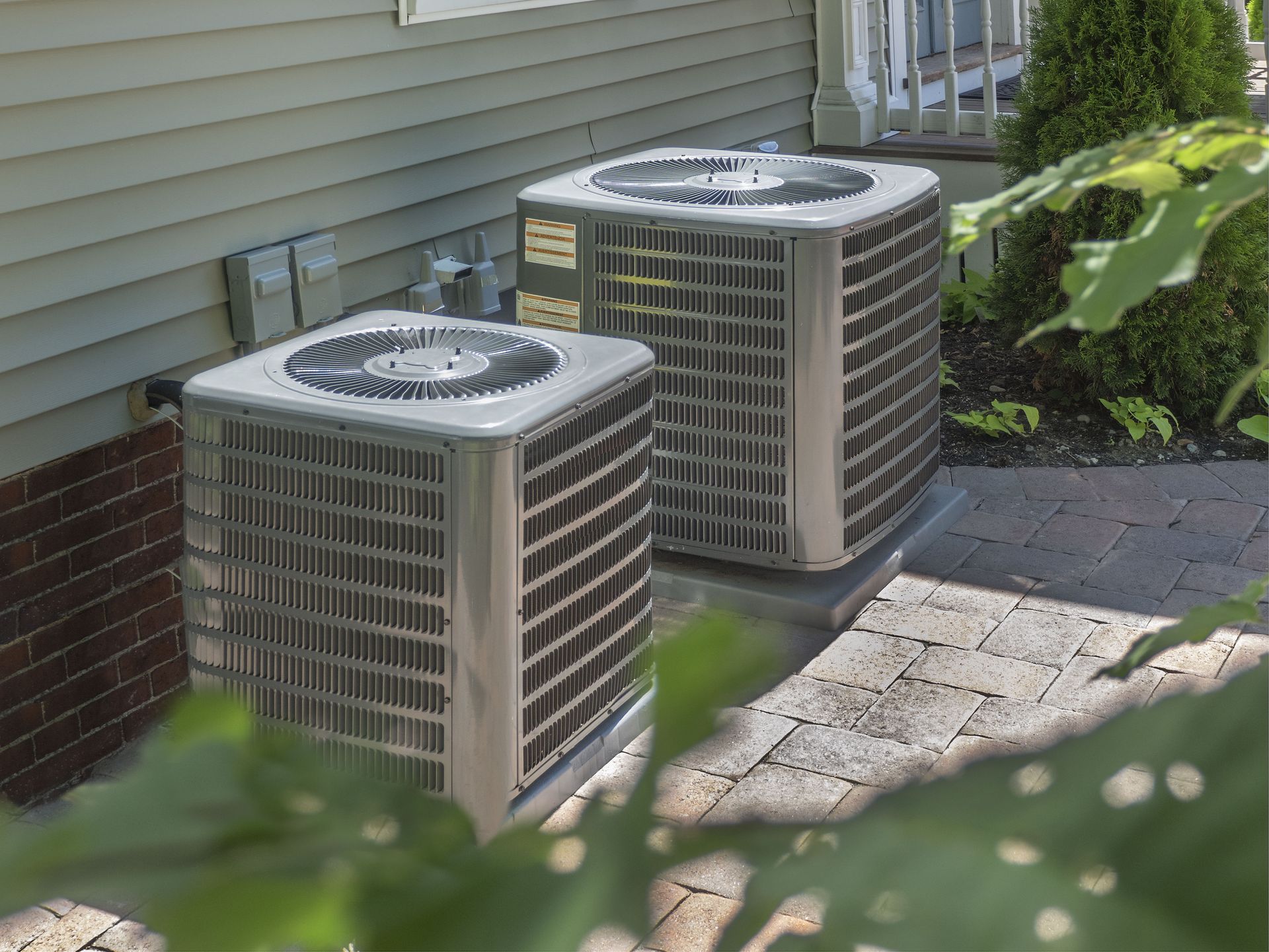
When your HVAC system starts showing signs of wear or inefficiency, deciding whether to repair or replace it can be challenging. Homeowners often struggle with determining whether a repair will solve the problem or if replacing the system entirely is the better investment. Since heating and cooling systems play such an important role in indoor comfort, making the right decision can affect your finances, energy bills, and quality of life for years to come.
There are several factors to consider when evaluating your HVAC system. The age of the equipment, frequency of repairs, energy efficiency, indoor comfort, and technological advancements all contribute to the final decision. While repairs may seem like the less expensive option initially, repeated service calls can quickly become costly. On the other hand, replacing a system requires a larger upfront investment but can lead to long-term savings and improved reliability.
Professional HVAC services can help homeowners accurately assess their system and determine the most cost-effective solution. By understanding the signs of a failing HVAC system and weighing the benefits of repair versus replacement, you can make a more informed and confident decision.
Assessing the Age and Condition of Your HVAC System
Older systems naturally experience wear and tear over time. Components become less reliable, efficiency decreases, and replacement parts can become more difficult to find. Even if the system still operates, aging equipment often struggles to maintain consistent indoor temperatures. If your home feels uncomfortable despite constant operation, your HVAC system may be declining in performance.
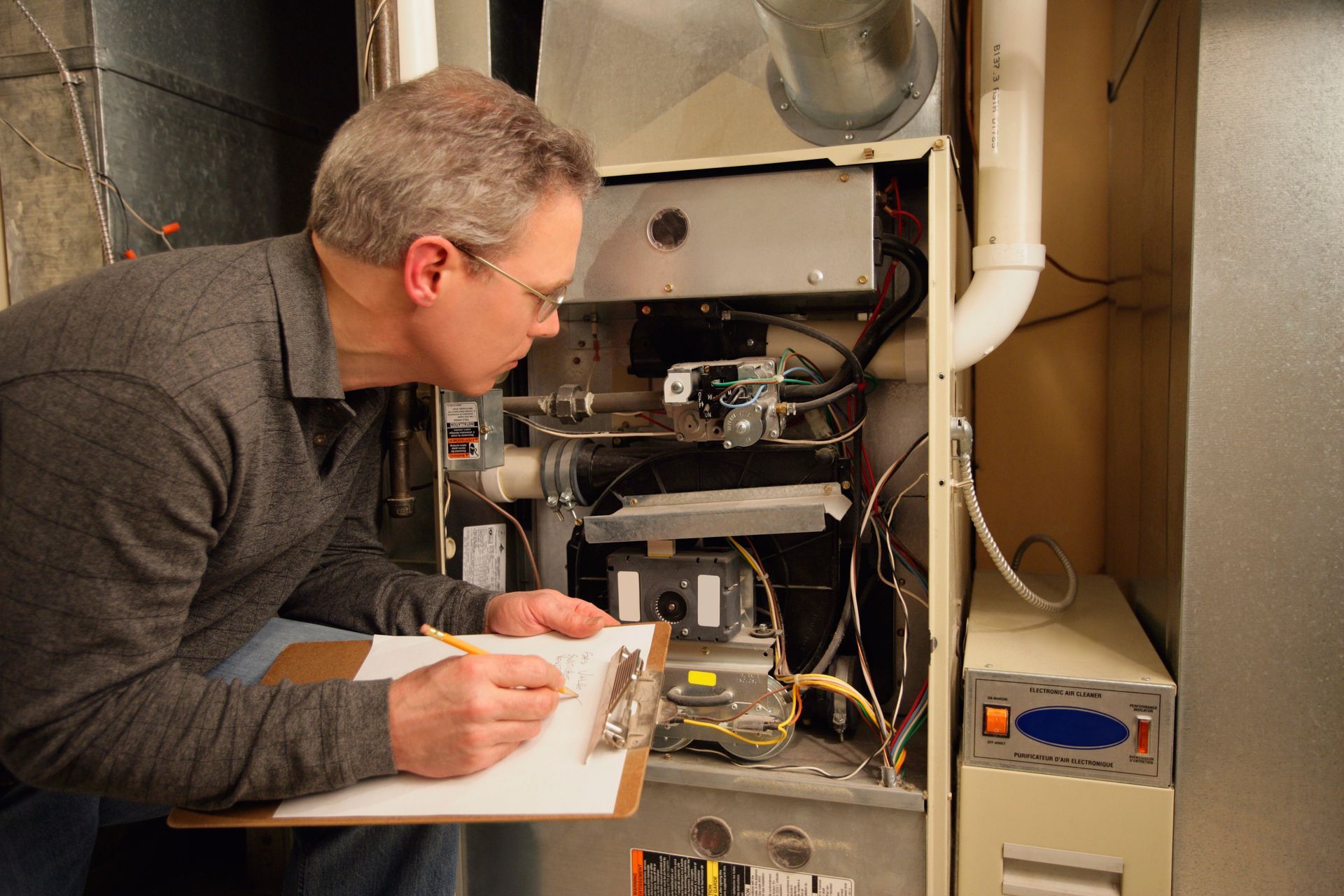
Visual inspection can also reveal important warning signs. Corrosion, moisture buildup, unusual noises, or damaged components may indicate serious mechanical problems. Strange odors coming from vents can suggest electrical issues, mold growth, or overheating parts that require immediate attention. Professional HVAC services can inspect the system thoroughly and identify whether these issues can be repaired or if replacement is more practical.
Maintenance history also matters when assessing the condition of your system. HVAC units that receive regular inspections and tune-ups generally last longer and perform more efficiently. According to the National Air Duct Cleaners Association, regular HVAC maintenance can reduce fan and blower energy consumption by as much as 41% to 60%. Homeowners who consistently maintain their systems often avoid sudden breakdowns and expensive repairs.
Understanding Repair Costs and Long-Term Value
Repair costs are one of the most significant considerations when deciding whether to repair or replace an HVAC system. In some situations, replacing a single component may restore the unit’s performance and extend its lifespan for several more years. Minor issues such as thermostat malfunctions, clogged filters, or worn belts are typically affordable to fix and do not necessarily justify replacing the entire system.
However, repeated repairs can become financially draining over time. Systems that require multiple service calls each year may indicate larger underlying problems that repairs cannot permanently solve. If repair costs continue to increase, homeowners should compare those expenses to the cost of installing a new system. Spending large amounts on aging equipment often becomes less practical as efficiency declines and reliability decreases.
Many homeowners hesitate to replace HVAC equipment because of the upfront installation cost. However, financing options, manufacturer rebates, and utility incentives can help reduce the financial burden. Some companies offer flexible payment plans that make replacement more manageable for households working within a budget. Professional HVAC services can often explain available financing opportunities and help homeowners understand long-term savings potential.
Evaluating Modern HVAC Technology
Technological advancements have transformed the HVAC industry over the past decade. Modern systems offer greater energy efficiency, quieter performance, improved indoor air quality, and smarter temperature control than older units. Homeowners with outdated systems may benefit significantly from upgrading to newer technology.
One major advancement is variable-speed technology. Unlike older systems that constantly switch on and off at full power, variable-speed systems adjust their output based on heating or cooling demand. This allows the unit to maintain more consistent indoor temperatures while using less energy. Improved efficiency reduces utility costs and decreases wear on system components.
Indoor air quality improvements also make modern HVAC systems appealing. Advanced filtration systems can reduce allergens, dust, pet dander, and airborne contaminants throughout the home. This is especially beneficial for households with allergy sufferers or individuals with respiratory conditions. Improved humidity control also contributes to healthier and more comfortable indoor environments.
Energy-efficient HVAC systems also support environmental sustainability. Newer units consume less energy and often use environmentally friendly refrigerants that reduce greenhouse gas emissions. Many systems now carry Energy Star certification, indicating they meet strict efficiency standards established to reduce environmental impact.
Comfort and Indoor Air Quality Considerations
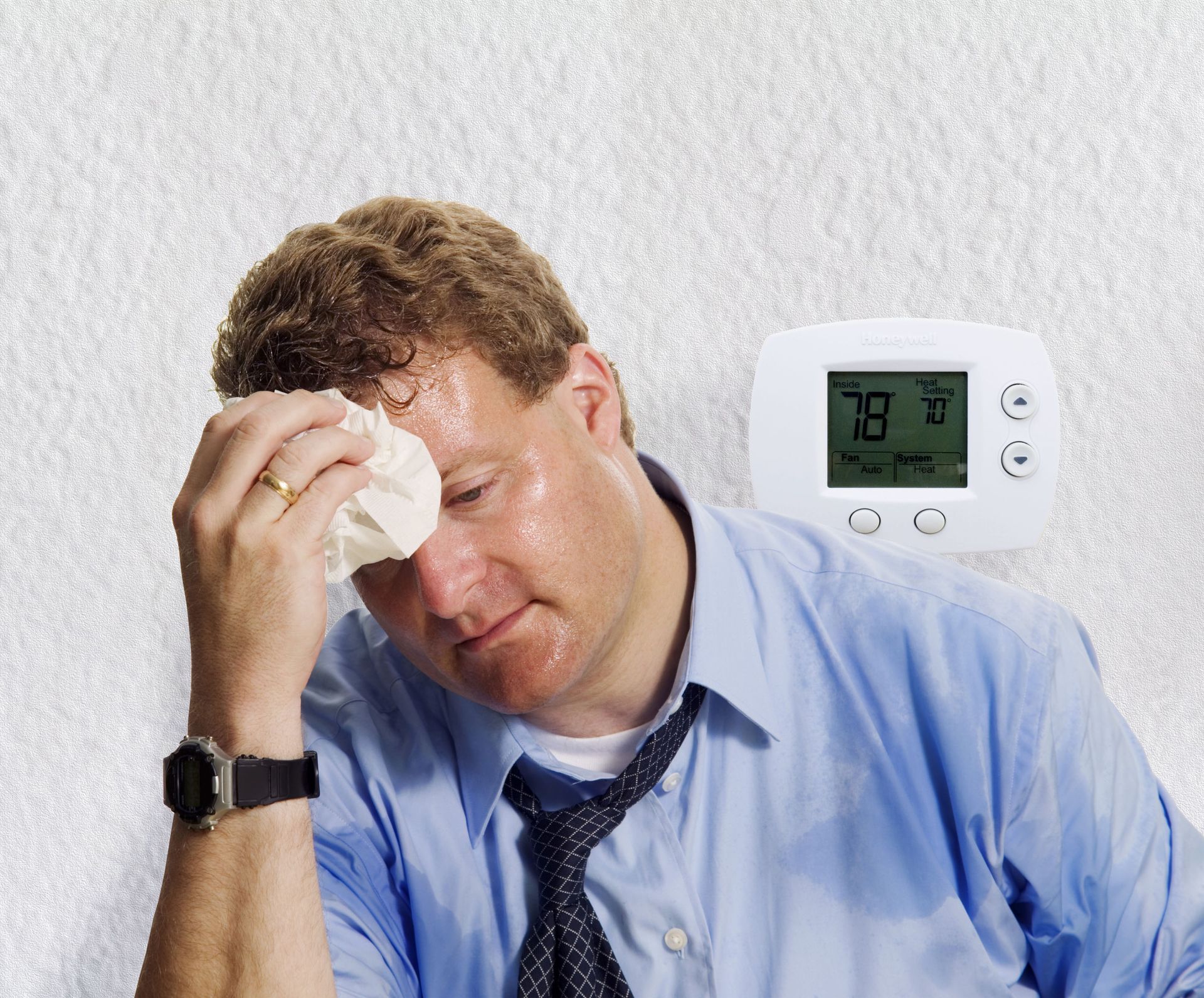
Comfort should play a central role in the decision-making process. Even if an older HVAC system still functions, it may not deliver the level of comfort homeowners expect. Uneven temperatures, excessive humidity, poor airflow, and noisy operation can negatively affect daily living conditions.
Older systems often struggle to distribute air evenly throughout the home. Some rooms may feel too warm while others remain too cold, creating constant discomfort. This imbalance may result from aging components, failing ductwork, or declining system efficiency. Replacing the system can improve airflow consistency and temperature regulation throughout the home.
Humidity control is another important factor. Excess indoor humidity can encourage mold growth, create musty odors, and damage furniture or flooring. Low humidity can cause dry skin, respiratory irritation, and discomfort during colder months. Modern HVAC systems are designed to regulate humidity levels more effectively, creating healthier indoor conditions.
Indoor air quality directly affects health and well-being. Systems with outdated filtration may circulate dust, allergens, and pollutants throughout the home. Replacing an older system with upgraded filtration capabilities can significantly improve indoor air quality and support healthier living conditions.
The Importance of Professional Guidance
Deciding to repair or replace an HVAC system is not always straightforward. Professional evaluations provide valuable insight into system condition, efficiency, and long-term reliability. Experienced technicians can inspect components, identify hidden issues, and recommend the most cost-effective solution based on your specific needs.
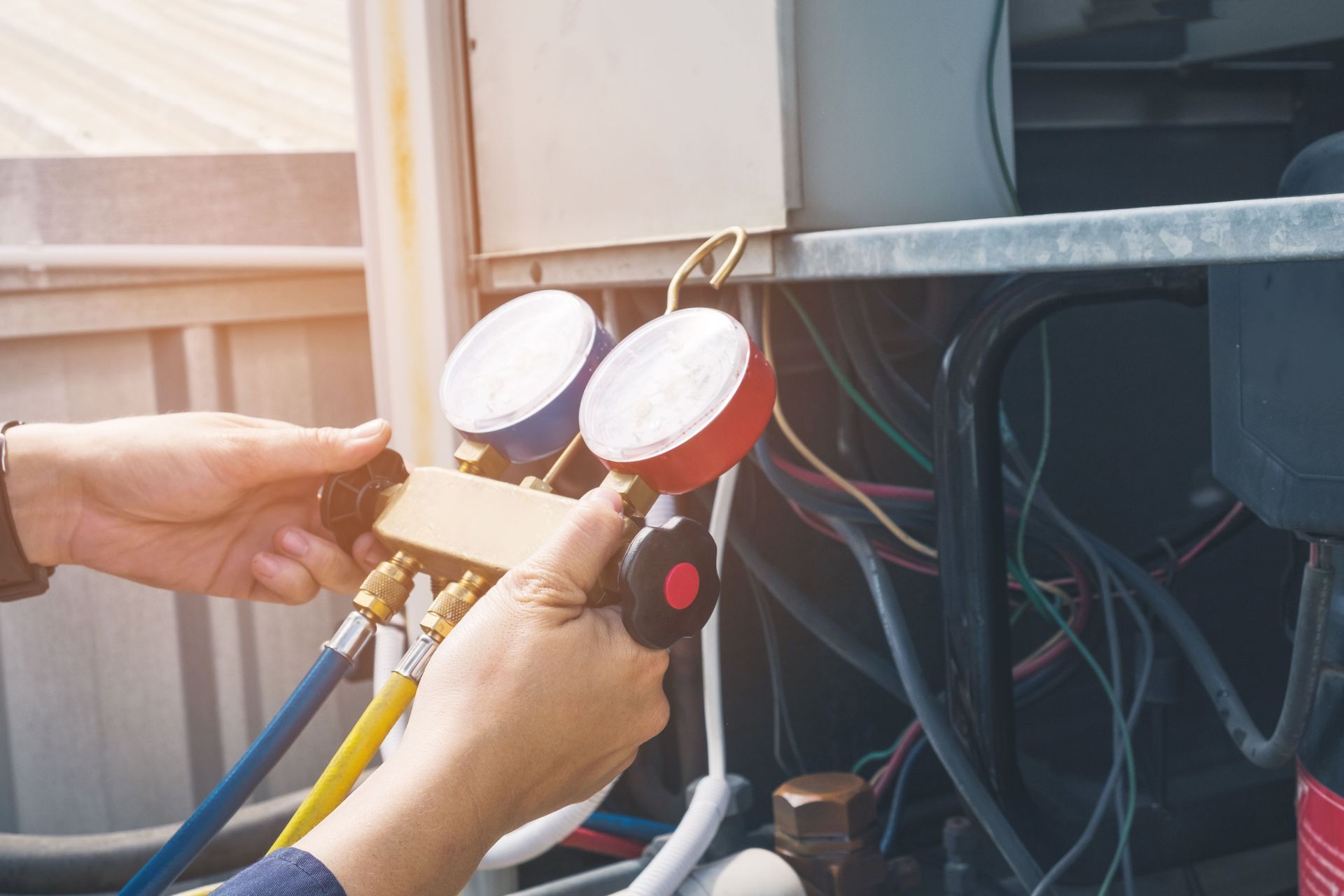
During a professional evaluation, technicians typically assess airflow, inspect electrical connections, measure refrigerant levels, and test overall system performance. They may also review maintenance history and discuss ongoing repair concerns with the homeowner. This thorough assessment helps determine whether repairs are likely to resolve the issue or if replacement is the smarter investment.
Reliable HVAC services can guide homeowners through every stage of the process, from inspection and diagnosis to installation and maintenance. Choosing experienced professionals ensures the work is completed safely, efficiently, and according to manufacturer specifications.
Deciding whether to repair or replace your HVAC system requires careful consideration of multiple factors. The age of the equipment, frequency of repairs, energy efficiency, indoor comfort, and technological advancements all influence the best course of action. While repairs may provide a temporary solution for minor issues, aging systems with recurring problems often benefit more from replacement.
Modern HVAC services offer substantial improvements in energy efficiency, air quality, comfort, and operational reliability. Although replacement involves a higher upfront cost, the long-term savings and performance benefits can make the investment worthwhile. Working with knowledgeable professionals allows homeowners to evaluate their options confidently and avoid unnecessary expenses.
If you are uncertain whether your HVAC system should be repaired or replaced, our team at Benchmark Service Company, Inc can help. Our experienced technicians provide dependable HVAC services designed to improve comfort, efficiency, and long-term reliability. Contact us today to schedule an inspection and learn more about the best heating and cooling solution for your home.