May 29, 2026
When your furnace begins acting up, it can create stress, discomfort, and uncertainty—especially during colder weather when heating is essential. Understanding the most common furnace problems and what they indicate can help homeowners respond appropriately and protect their comfort. While only trained professionals should diagnose or correct issues, learning the signs of trouble can help you communicate more clearly with a technician and stay informed about the condition of your system. As furnaces age, problems become more common, and knowing what to look for can prevent small concerns from turning into major disruptions. This guide breaks down the issues homeowners encounter most often and what each of them generally means for the system’s performance.
Blowing Cold Air
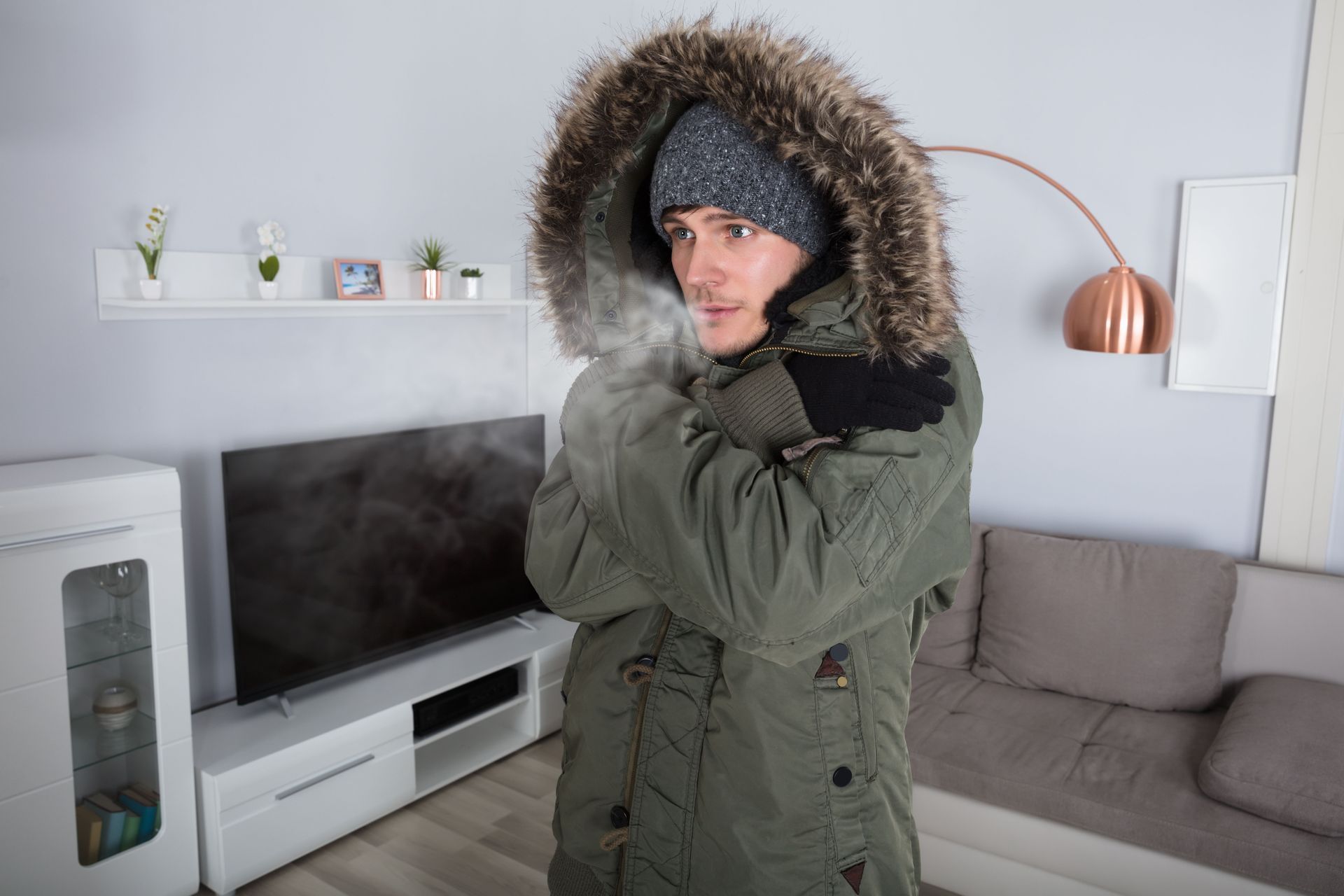
A furnace that blows cold air is one of the most noticeable signs that something is wrong. While this issue can stem from several causes, it often indicates a malfunction within the heating cycle or a component that is no longer operating as intended. Homeowners frequently mistake this problem for thermostat trouble, but it can also point to blocked airflow, ignition complications, or a system safety shutdown. Addressing the issue promptly is important because continued use of a malfunctioning system may create additional strain. When this situation arises, many homeowners schedule heating repair to restore proper warmth and ensure the furnace is functioning safely.
Experiencing Short Cycling
Short cycling happens when a furnace turns on and off more frequently than it should. This issue prevents the system from completing a full heating cycle and may indicate an underlying mechanical or electrical problem. Short cycling increases wear and tear, reduces comfort, and raises energy bills significantly because the system uses more power during frequent startups. In many cases, this symptom points to airflow blockages, overheating, or thermostat inconsistencies. Since short cycling can drastically reduce a furnace’s lifespan, homeowners often rely on heating repair services to diagnose and correct the root cause with minimal delay.
Experiencing Weak Airflow
Weak airflow is another common furnace concern, and it often signals that the system is struggling to distribute warm air effectively. This issue can originate from ductwork problems, internal component strain, or a system that is no longer capable of moving air as efficiently as before. Reduced airflow places additional demand on the furnace as it attempts to maintain the desired temperature, which may increase utility costs and limit overall comfort. Left untreated, restricted airflow can contribute to further operational decline. Many homeowners call for heating repair when airflow weakens to prevent more serious issues from developing.
Hearing Unusual Noises
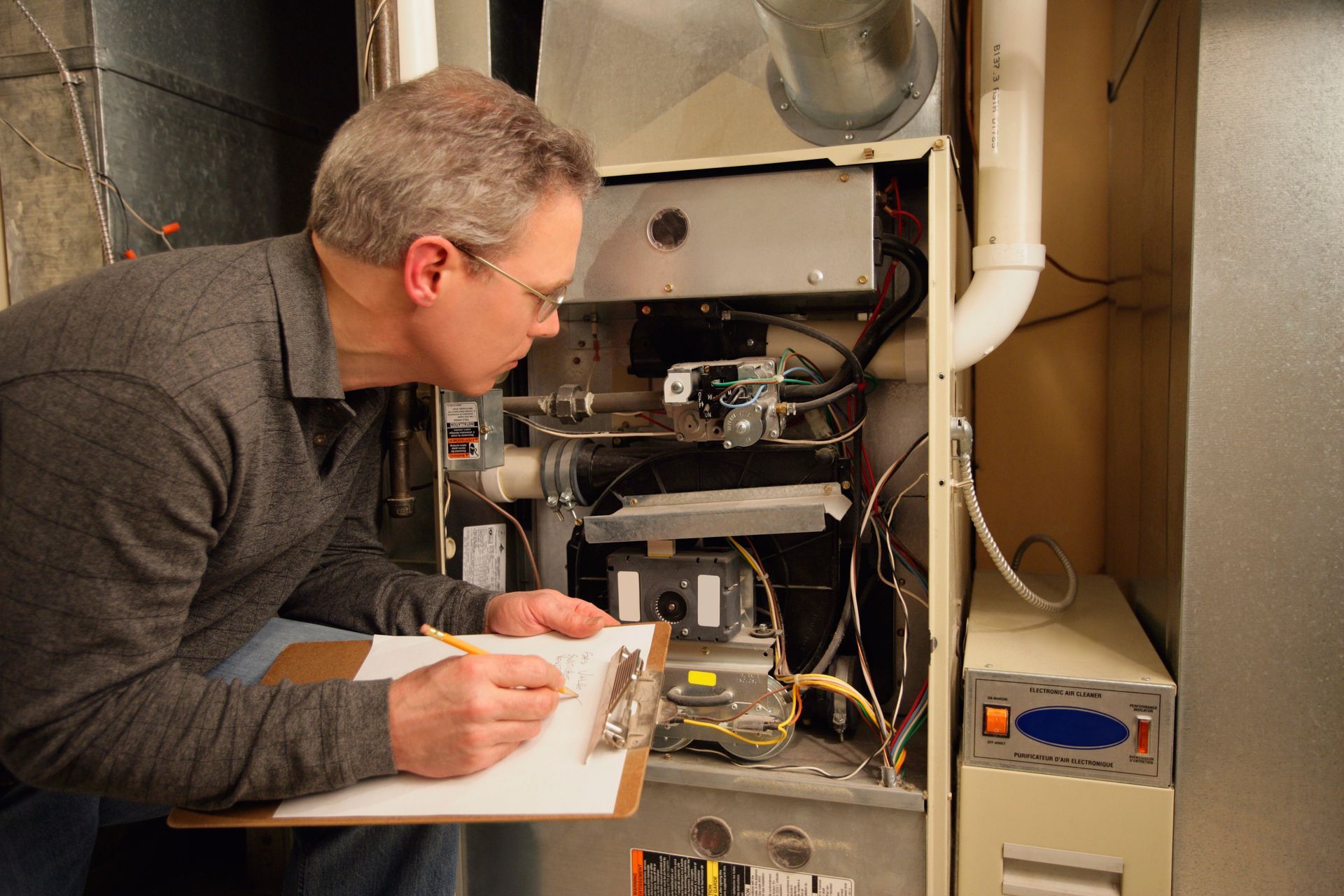
While furnaces naturally produce some sounds during operation, loud or unusual noises can indicate trouble. Banging, screeching, rattling, or whining sounds may signal loose internal parts, motor strain, failing components, or airflow obstructions. A noisy furnace should never be ignored, as the underlying cause may worsen. Quick attention can help limit additional damage and preserve the system’s performance. Since unusual noises may stem from issues deep inside the furnace, many people choose to hire HVAC contractors to identify the exact origin and ensure the system continues to operate safely and dependably.
Having Frequent Thermostat Adjustments
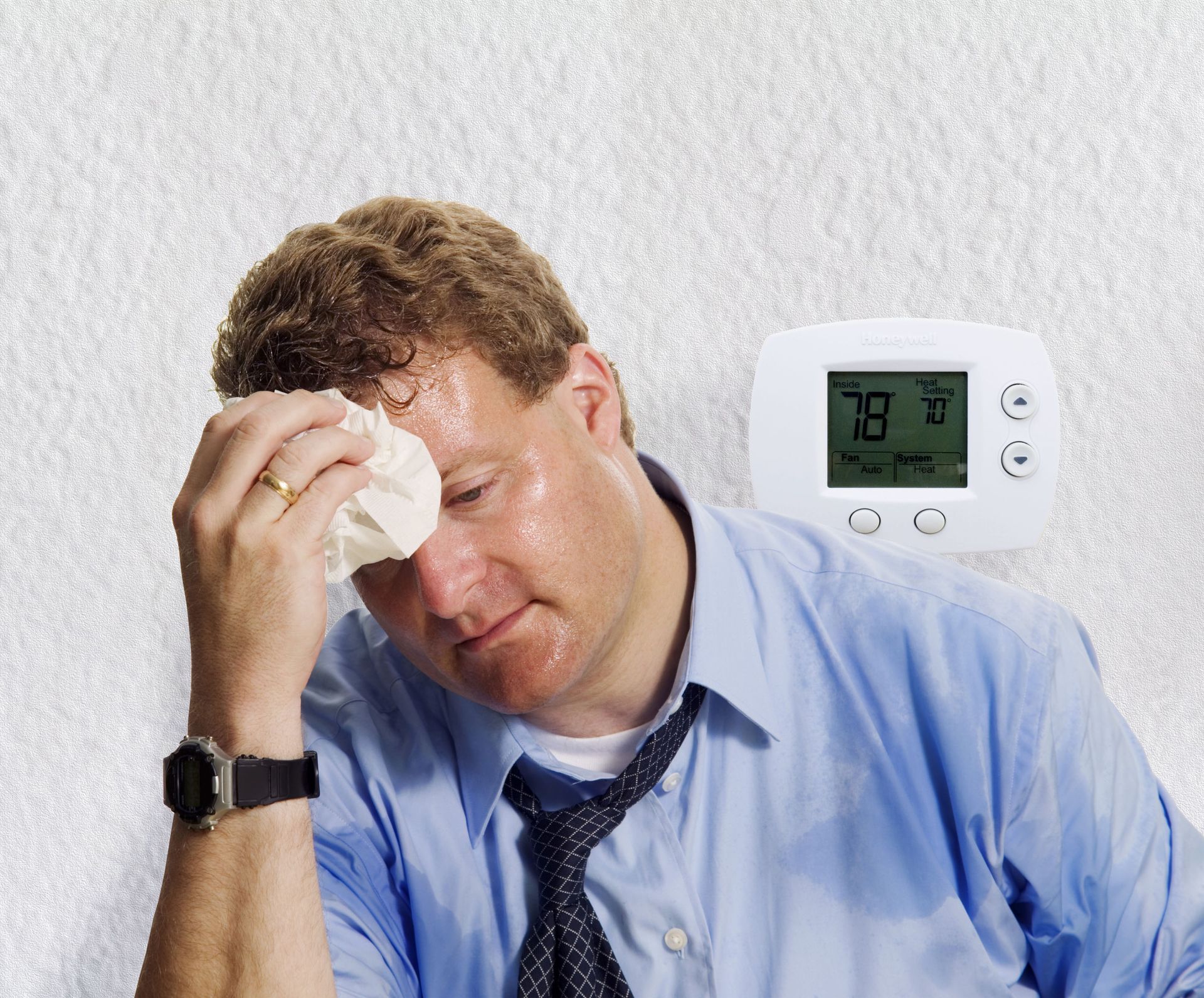
If you find yourself constantly adjusting the thermostat, your furnace may be struggling to maintain consistent temperatures. Uneven heating or slow response times can signal problems with internal components, airflow restrictions, or thermostat communication. This situation also forces the system to work harder than necessary, which may raise energy consumption and accelerate wear. Reliable heating depends on stable system performance, and inconsistent temperatures often prompt homeowners to request heating repair to restore proper operation and improve comfort throughout the home.
Smelling Odd Smells
Strange odors coming from a furnace can indicate several types of issues. While some temporary smells may occur at the beginning of a heating season, persistent or unusual odors should be taken seriously. Odors may stem from buildup within the system, mechanical issues, or airflow complications. Any unfamiliar or concerning smell warrants immediate attention to prevent further complications. Many homeowners contact heating repair services when odors persist to ensure their furnace is running safely and without hidden problems that could impact comfort.
Receiving Higher Energy Bills
A sudden or unexplained increase in energy costs can be a sign that the furnace is no longer running efficiently. This decline in performance often means the system is struggling to complete its heating cycle or compensate for underlying issues. Higher energy usage can result from airflow obstructions, failing components, or internal wear. If your furnace requires more power to heat the home, it may be a signal that something within the system needs attention. Many homeowners reach out for heating repair when bills rise unexpectedly to identify the reason and restore efficient operation.
Experiencing Pilot Light or Ignition Issues
Problems with the pilot light or ignition system can prevent a furnace from producing heat at all. This issue is especially common in older systems or units experiencing internal wear. If the furnace has difficulty starting or the pilot light will not remain lit, there may be an internal malfunction that requires immediate professional attention. Reliable ignition is essential for safe and effective furnace operation, and any trouble with this component usually leads homeowners to schedule heating repair to restore proper functionality.
Experiencing Inconsistent Heating
Inconsistent heating is one of the most frustrating furnace issues homeowners face. When parts of the home feel warm while others remain cold, it may indicate airflow problems, ductwork issues, or a furnace struggling to provide enough output. Inconsistent heating also places additional strain on the system because it must work harder to maintain the thermostat setting. Many homeowners schedule heating repair to determine why the system cannot keep temperatures steady and to restore even, reliable comfort.
Considering Furnace Lifespan
As furnaces move toward the later years of their lifespan, components experience natural wear, efficiency declines, and internal parts may begin to fail more frequently. According to This Old House, furnaces have a typical lifespan of 15-25 years, which means that the age of your system can greatly influence how often problems occur and how severe they may be. This aging process can make even minor issues more noticeable because older systems are less capable of compensating for internal strain.
Understanding how age affects performance can help homeowners prepare for future service needs and recognize when repairs become more frequent. Even if the furnace is still operational, aging parts may contribute to uneven heating, unusual noises, or reduced airflow. While routine maintenance can help extend the furnace’s usefulness, aging equipment ultimately experiences a gradual decline in efficiency and reliability.
Furnace problems can develop gradually or appear suddenly, but understanding the most common issues can help you recognize when something is not working as it should. From airflow concerns to ignition complications and uneven heating, each symptom offers insight into the system’s overall condition. Responding promptly and relying on trained professionals helps protect your comfort, maintain safety, and extend the system’s useful life. By staying attentive to changes in performance, you can ensure your furnace continues to operate dependably throughout the colder months and supports a comfortable home environment. Heating repair is crucial for the upcoming winter season. Do you need heating services? Call Benchmark Service Company, Inc today to schedule an appointment!