June 15, 2026
Air conditioning units are essential in keeping our homes comfortable, especially during the summer months. However, frequent AC repairs can be both frustrating and costly. The purpose of this article is to explore the common reasons why your AC unit may keep needing repairs and how you can prevent these issues from recurring.
1. Poor Maintenance Practices
1.1 Neglecting Routine Check-ups
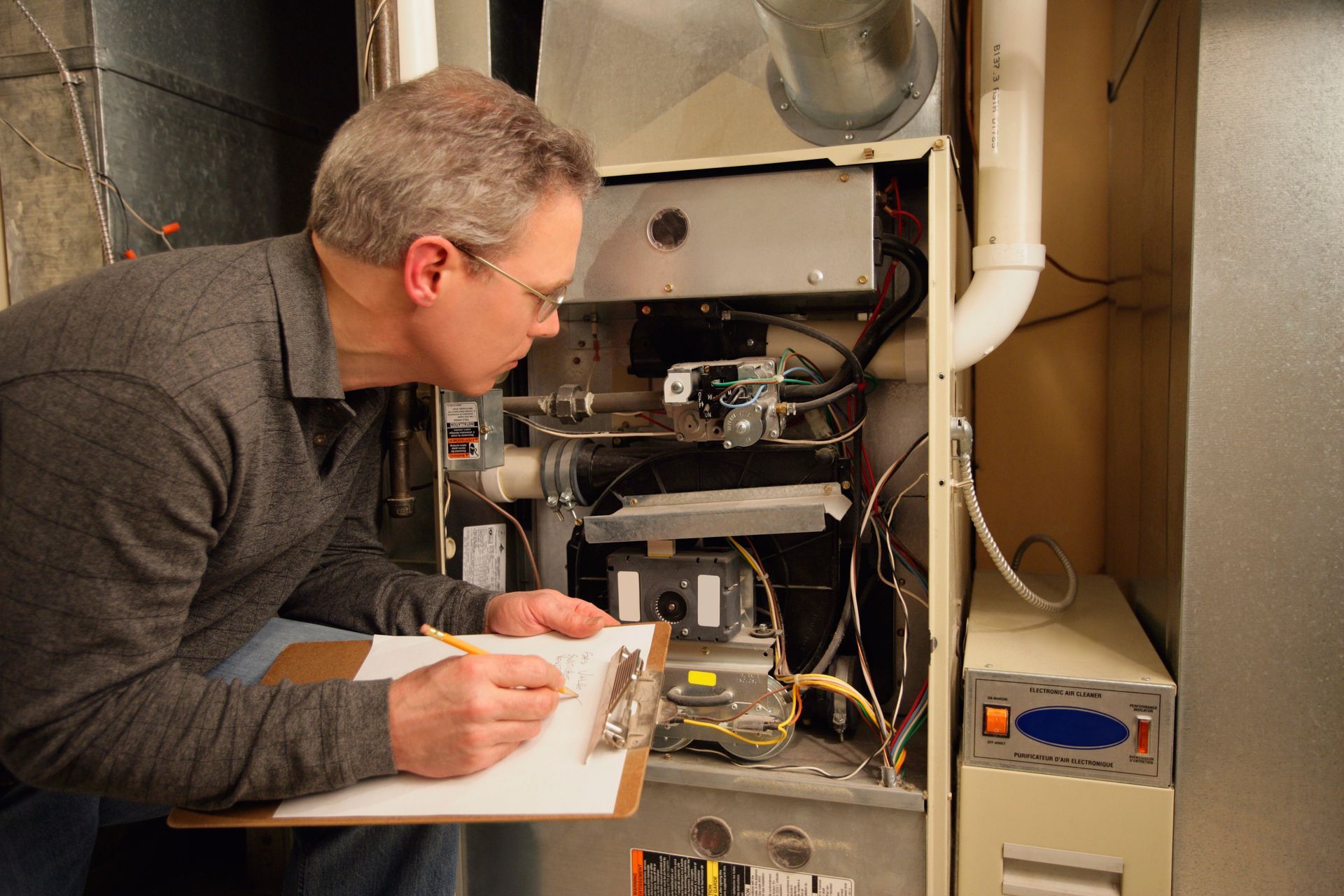
One of the most crucial steps in maintaining your air conditioning system is scheduling routine check-ups. These check-ups often involve a comprehensive examination of the unit, identifying minor issues before they escalate. Neglecting these inspections can lead to significant system failures, resulting in costly emergency AC repairs. Such repairs could take anywhere from one hour to eight hours, according to HomeGuide, interrupting your day and potentially affecting household activities. By committing to regular maintenance, you can ensure your air conditioner runs efficiently and lasts longer.
1.2 Ignoring Filter Replacements
Filters play a vital role in the performance of an air conditioning unit. They trap dust, pollen, and other airborne particles, protecting the system's internal components and improving indoor air quality. Ignoring filter replacements not only reduces the efficiency of the unit but also increases the risk of AC repairs due to clogged airways. A clogged filter forces the system to work harder, which can lead to component failure. Regularly checking and replacing filters as recommended can save you from frequent repair calls.
1.3 Failing to Clean Coils Regularly
The evaporator and condenser coils are integral parts of an AC unit, responsible for the heat exchange process. Over time, dirt and debris can accumulate on these coils, severely impacting their efficiency. When coils are dirty, the system must work harder to cool the air, which can lead to overheating and potential breakdowns. Regular cleaning of the coils ensures optimal performance and minimizes the risk of costly AC repairs. Homeowners should consider professional cleaning services if they are uncomfortable handling this maintenance task themselves.
1.4 Skipping Professional Inspections
While some maintenance tasks can be performed by homeowners, professional inspections play a critical role in preventative care. HVAC professionals have the knowledge and tools to detect underlying issues that may not be apparent to the average person. Skipping these inspections can lead to undetected problems that eventually require expensive AC repairs. Regular professional check-ups can extend the life of your AC unit and improve its reliability. Investing in professional services now can prevent more significant expenses down the line.
1.5 Overlooking Important Lubrication Needs
Lubrication of moving parts is often an overlooked maintenance task but is essential for efficient AC operation. Lack of lubrication can cause increased friction, leading to wear and tear and eventual component failure. Components such as motors, fans, and other moving parts need periodic lubrication to function smoothly. Over time, improper lubrication can lead to failures that result in prolonged repair times. Ensuring all parts are adequately lubricated during each maintenance check can prevent these issues.
2. Incorrect Installation
2.1 Choosing the Wrong Size Unit
An often overlooked but critical factor in AC performance is the size of the unit. Installing an air conditioner that is too small will not effectively cool the space, while a unit that is too large will cycle on and off more frequently, leading to wear and tear. Proper sizing according to the space requirements ensures that the unit operates efficiently, providing optimal comfort. Incorrectly sized units often need frequent AC repairs due to stress on components. Consulting with a professional before purchasing a unit can help you choose the correct size for your space.
2.2 Improperly Installed Ductwork
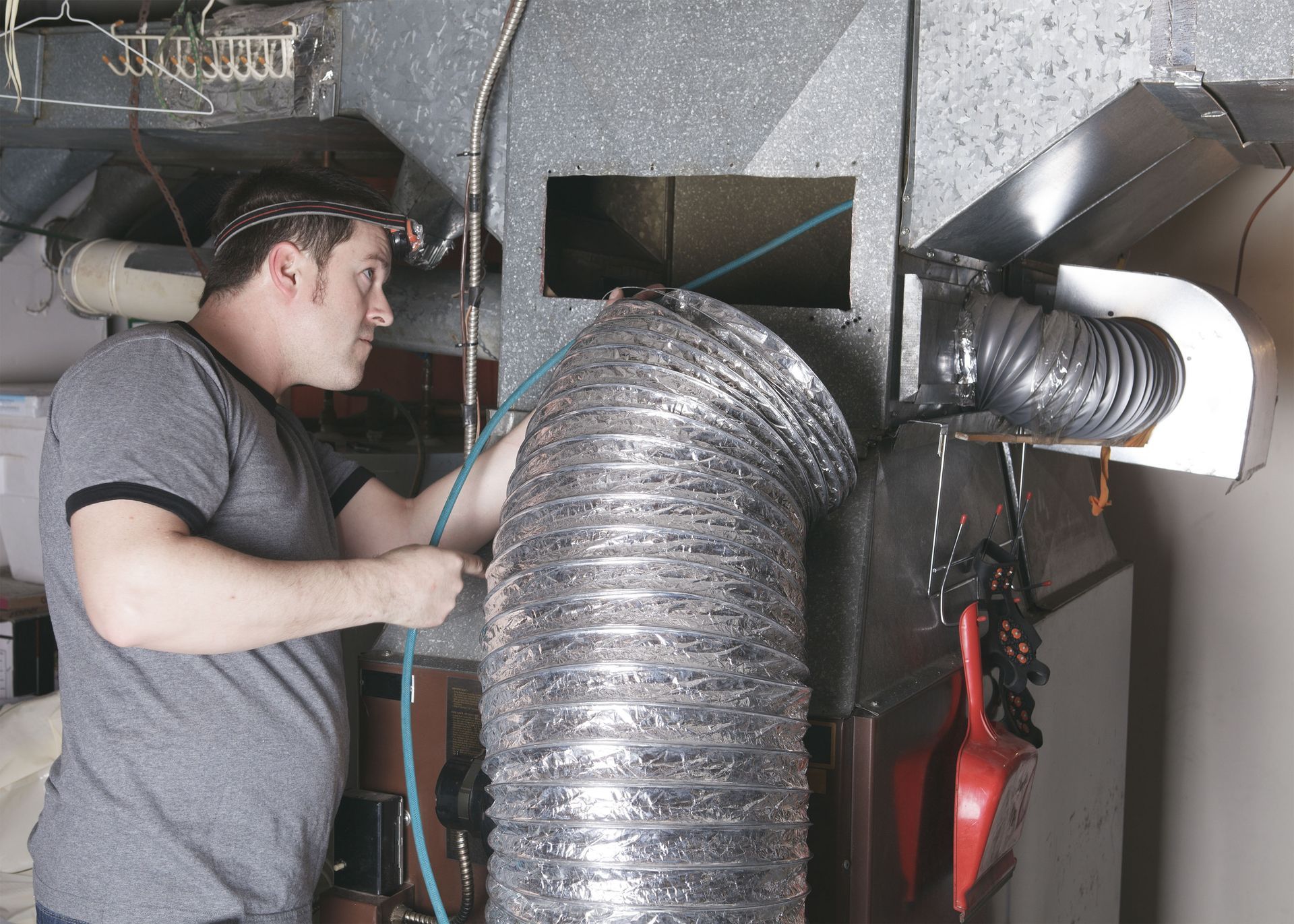
Ductwork serves as the circulatory system of your AC unit, distributing conditioned air throughout your home. Improper installation, such as loose or disconnected ducts, can lead to significant inefficiencies and increased energy costs. This misalignment can cause some parts of the home to be inadequately cooled and others to be excessively conditioned. Over time, these issues can lead to a more significant strain on the unit, necessitating repairs. Ensuring correct ductwork installation maximizes efficiency and minimizes repair needs.
2.3 Incorrect Refrigerant Charging
Refrigerant is a critical component that allows an AC unit to cool effectively. Incorrect refrigerant charging, either too much or too little, can severely hinder the performance and longevity of the system. Overcharging can cause compressor failure, while undercharging can lead to inefficient cooling and increased energy use. As with other installation factors, having an experienced technician correctly charge the refrigerant is crucial. Regular maintenance can help ensure the refrigerant level remains optimal, avoiding unnecessary repair bills.
2.4 Faulty Electrical Connections
Electrical connections play a critical role in the functioning of an AC unit. Faulty connections can result in the entire system shutting down or experiencing intermittent failures, leading to frequent maintenance needs. These issues can also pose a safety hazard if left unaddressed. Ensuring all electrical connections are secure and correctly installed is vital for system reliability. Professional installation and periodic electrical inspections are recommended to avoid costly repairs and ensure safe operation.
2.5 Poor Ventilation Considerations
Ventilation is another key factor in AC system efficiency. Poor ventilation can result from inadequately positioned air returns or blocked air pathways, leading to uneven cooling throughout the home. This imbalance forces the system to work harder to maintain a consistent temperature, resulting in increased wear and potential breakdowns. Properly designed and installed ventilation paths allow for efficient cooling and reduce the likelihood of repair calls. Consulting an HVAC expert during installation can help ensure optimal ventilation planning.
3. Environmental Factors
3.1 Effects of High Humidity Levels
Humidity levels have a significant impact on AC unit efficiency and longevity. High humidity forces an air conditioning system to work harder, as it must remove excess moisture from the air in addition to cooling it. This added strain can lead to increased wear on components and more frequent AC repairs. Installing a dehumidifier can help manage humidity levels, alleviating some of the burdens on the AC system. By managing indoor humidity, you can improve system efficiency and reduce repair frequency.
3.2 Impact of Extreme Temperatures
Extreme temperatures, whether too hot or too cold, can adversely affect AC performance. In scorching weather, the unit must work overtime to achieve desired cooling levels, potentially leading to overheating and component failures. Conversely, operating an AC in colder temperatures can cause issues when the components designed for heat management are not engaged. Both scenarios contribute to more frequent repair needs due to stress on the system. Adequate insulation and smart operation choices can help mitigate the impact of extreme temperatures on AC units.
3.3 Debris and Outdoor Obstructions
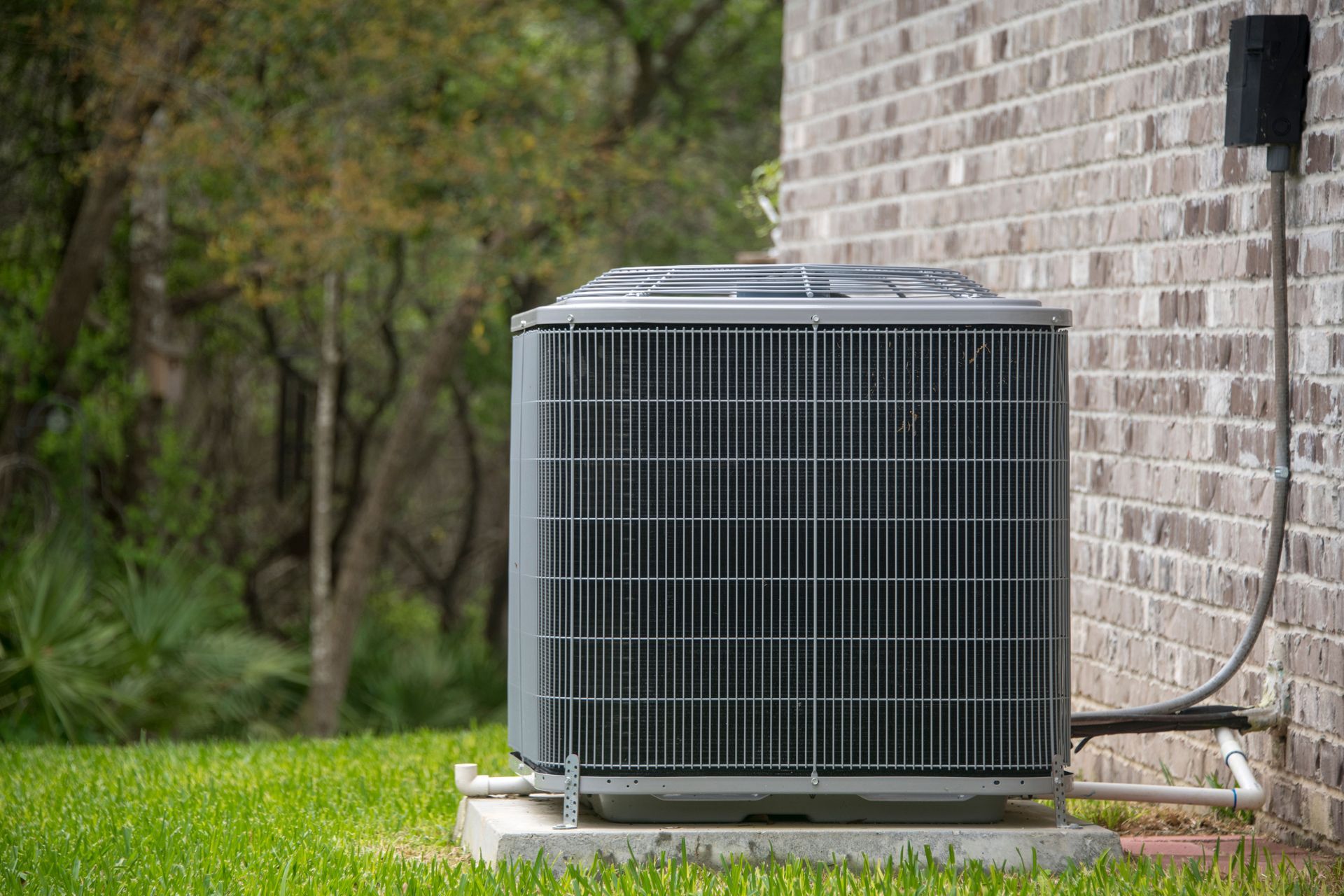
The outdoor unit of an air conditioning system is exposed to various environmental elements, including debris and obstructions. Leaves, sticks, and other materials can block airflow, placing additional strain on the system and leading to overheating. Regularly inspecting and clearing any obstructions around the outdoor unit can prevent these issues. Furthermore, ensuring the unit is installed in an open area with good airflow can also minimize potential repair needs. A clean and unobstructed outdoor unit operates more efficiently and reliably.
Consistent AC repairs often result from a combination of factors, including poor maintenance, improper installation, environmental influences, and unavoidable wear and tear. By understanding these common issues, homeowners can take preventive measures to extend the life of their AC units and ensure a more efficient and reliable cooling system. When you need AC repairs, contact Benchmark Service Company, Inc.