June 15, 2026
Efficient heating and cooling systems play a vital role in maintaining comfort, controlling energy costs, and supporting a healthy indoor environment. Whether in a residential property or a commercial facility, HVAC systems are among the largest consumers of energy. When equipment is not operating properly, even minor issues can lead to higher utility bills, inconsistent temperatures, and unnecessary wear on system components. This is why professional HVAC services are essential for maximizing efficiency and protecting long-term performance.
Many property owners focus on replacing equipment only when a major breakdown occurs. However, efficiency is achieved through a combination of routine maintenance, system optimization, and proactive repairs. Working with qualified technicians allows property owners to identify inefficiencies before they become costly problems. Understanding how these services contribute to system performance can help homeowners and business owners make informed decisions about their heating and cooling investments.
Maintaining Peak System Performance
One of the most important ways HVAC services improve efficiency is through routine maintenance. Over time, dust, dirt, and debris accumulate throughout heating and cooling systems. These contaminants restrict airflow, force components to work harder, and reduce overall system effectiveness. Regular maintenance appointments help keep equipment clean and operating at its intended capacity.
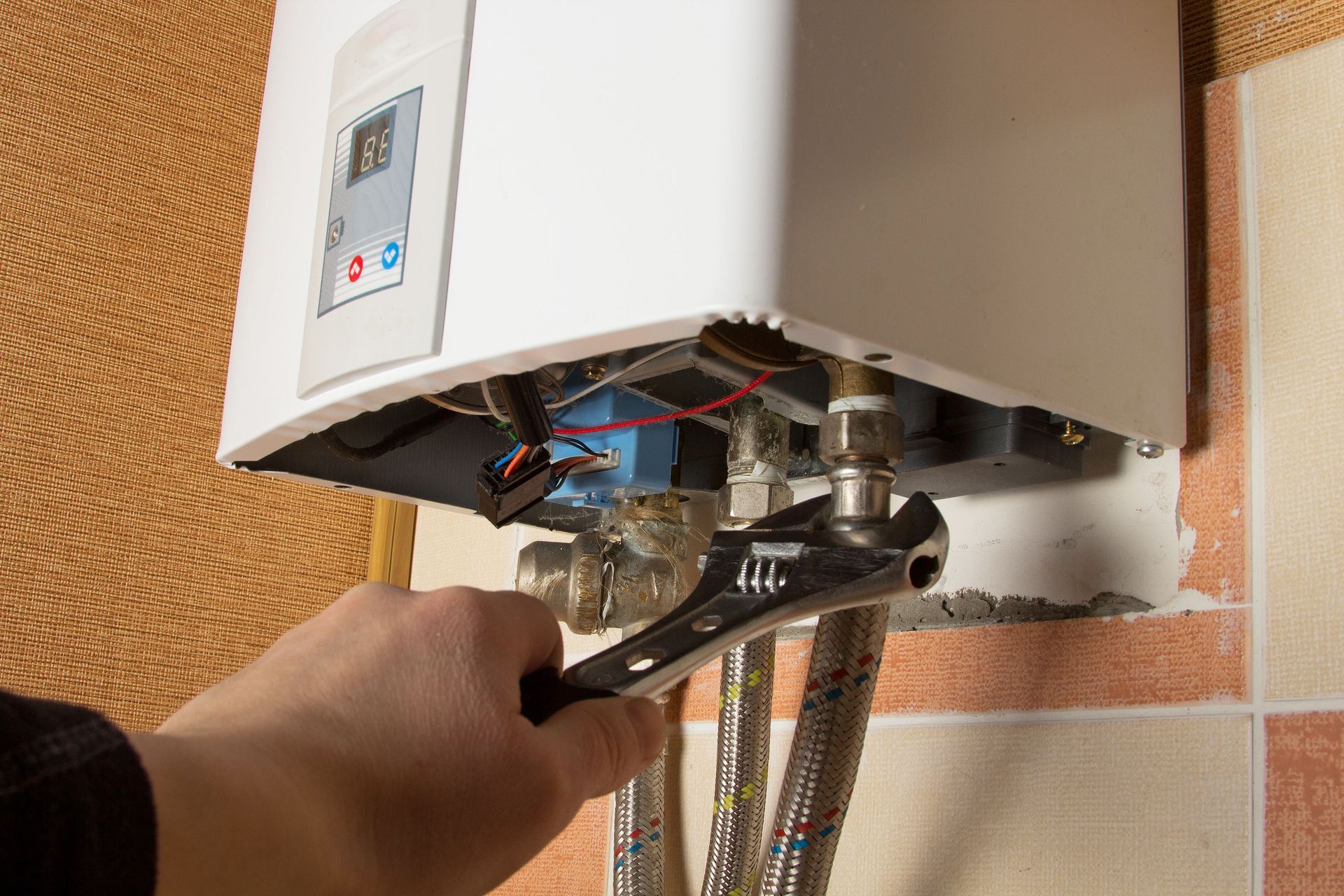
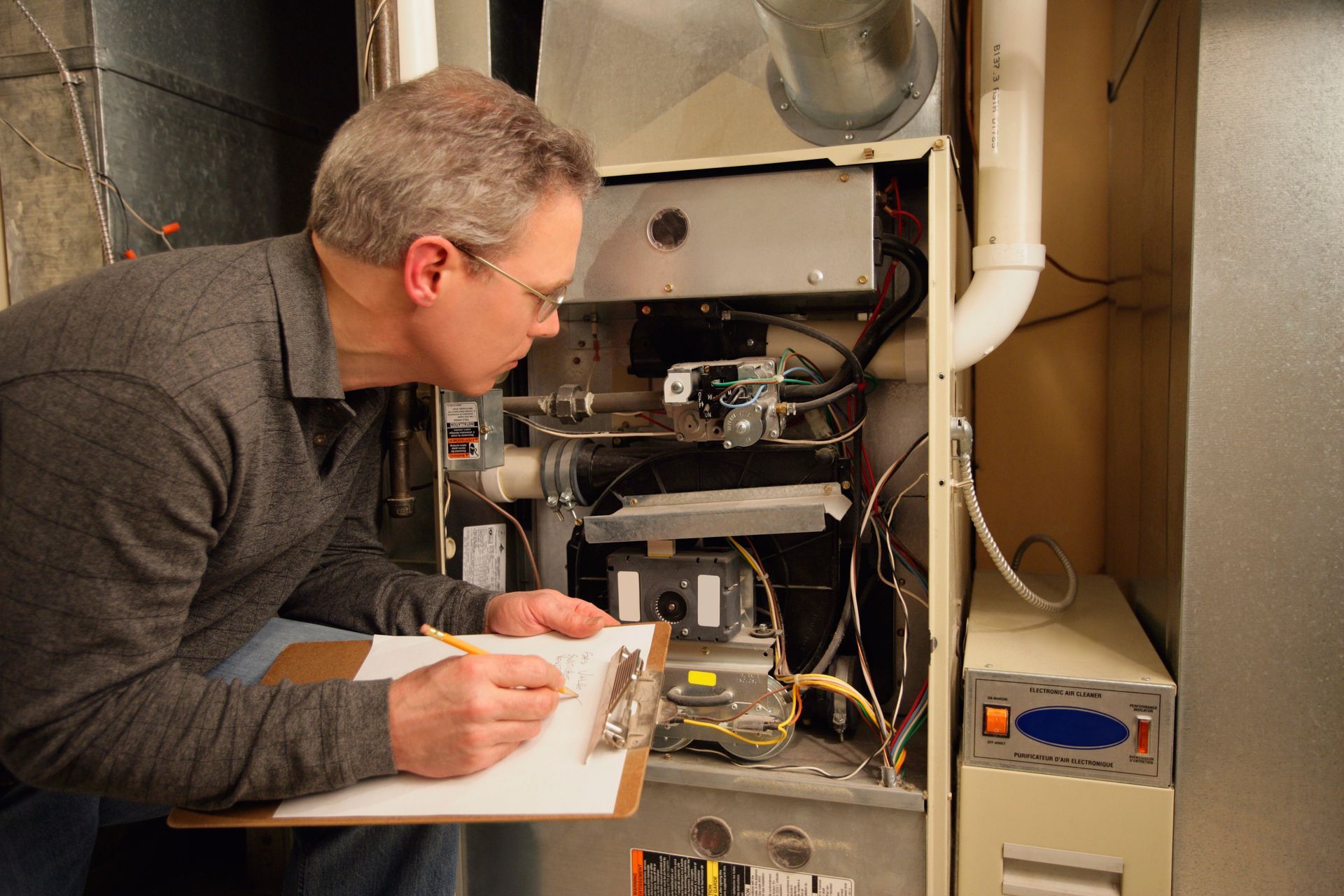
Professional technicians inspect critical components such as filters, coils, blowers, motors, and electrical connections. Even small issues, such as a loose wire or a dirty evaporator coil, can negatively affect system performance. Addressing these concerns during scheduled maintenance prevents larger efficiency losses and reduces the likelihood of unexpected breakdowns.
Air filter replacement is another important aspect of maintenance. Clogged filters restrict airflow and force systems to consume more energy to achieve desired temperatures. Clean filters help maintain proper airflow, improve indoor air quality, and support more consistent temperature control throughout the building.
Maintenance also provides an opportunity to evaluate system health over time. Technicians can identify patterns of wear and recommend repairs before they become major problems. This proactive approach helps ensure equipment continues operating efficiently throughout its lifespan. As part of a comprehensive maintenance strategy, HVAC services help property owners reduce energy waste while improving overall comfort.
Identifying Hidden Efficiency Problems
Many efficiency issues develop gradually and may not be immediately noticeable. Property owners often become accustomed to rising utility bills or uneven temperatures without realizing their systems are underperforming. Professional inspections help uncover hidden problems that may be reducing efficiency and increasing operating costs.
Refrigerant issues are a common example. Low refrigerant levels can force air conditioning systems to run longer while providing less cooling. Because the symptoms may develop slowly, property owners may not recognize the problem until energy costs increase significantly. Technicians can test refrigerant levels, identify leaks, and restore proper operation.
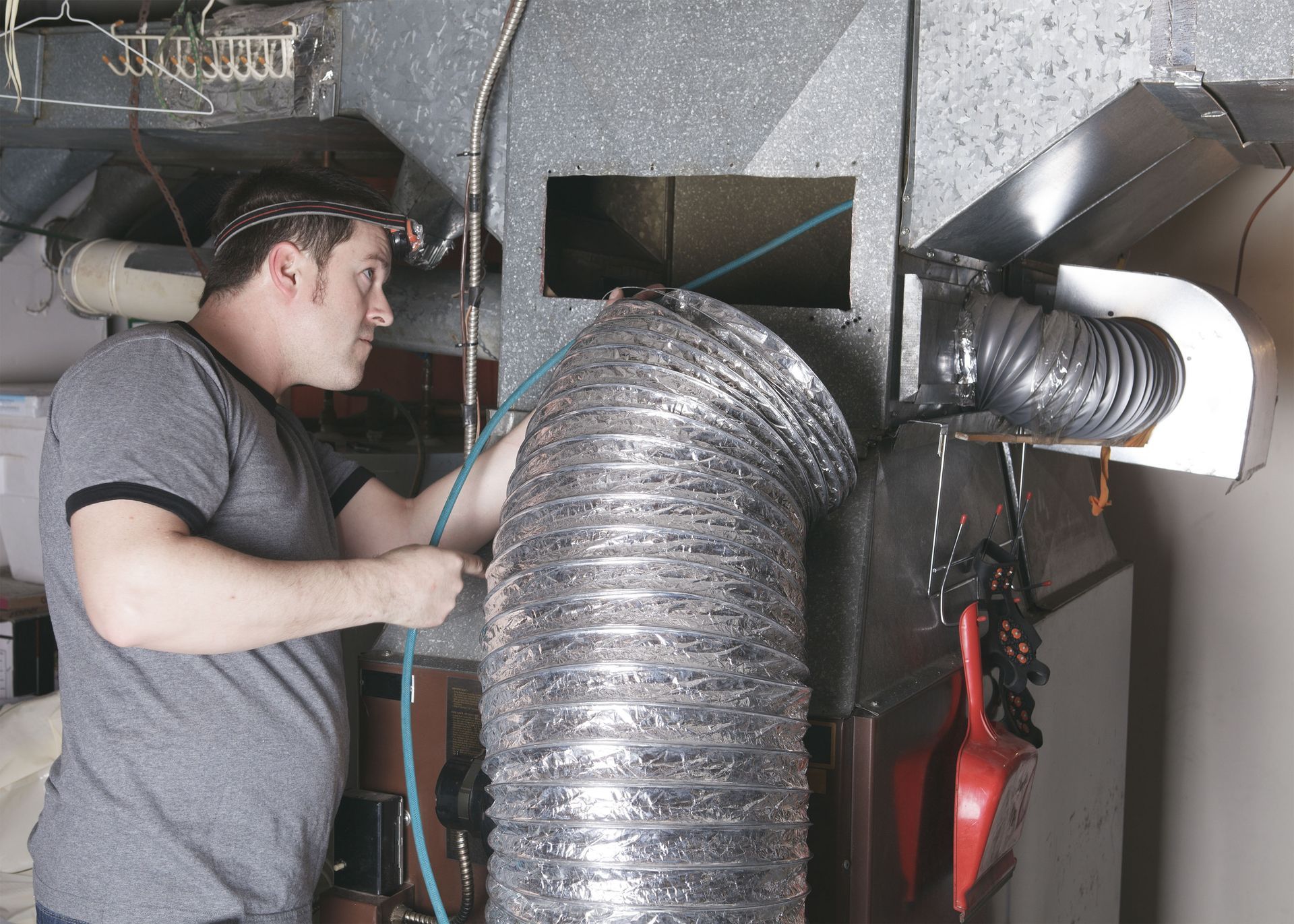
Ductwork problems can also have a major impact on efficiency. Leaks, gaps, and poor insulation allow conditioned air to escape before it reaches occupied spaces. As a result, systems must work harder to maintain comfortable temperatures. Professional evaluations can identify these losses and recommend solutions that improve airflow and reduce wasted energy.
Thermostat inaccuracies represent another hidden challenge. If temperature readings are incorrect, systems may cycle unnecessarily or operate longer than needed. Modern thermostat upgrades and calibration services can improve system responsiveness and help maintain more consistent indoor conditions.
Professional diagnostics provide valuable insight into overall system performance. Rather than relying on assumptions, technicians use specialized tools to measure airflow, temperature differentials, electrical performance, and energy consumption. Through detailed assessments, HVAC services help identify inefficiencies that would otherwise remain undetected.
Improving Equipment Longevity
Efficiency and equipment lifespan are closely connected. Systems that operate under excessive strain tend to experience more frequent breakdowns and shorter service lives. By addressing performance issues early, property owners can reduce wear on critical components and maximize the value of their investment.
Regular inspections help ensure motors, compressors, fans, and other mechanical parts operate under proper conditions. When components are allowed to run while damaged or out of balance, they place additional stress on the entire system. Correcting these issues promptly helps preserve efficiency and prevent costly failures.
Proper maintenance also contributes to long-term reliability. According to HomeGuide, a correctly installed HVAC system can remain operational for approximately 15 to 25 years when it receives consistent maintenance. This demonstrates how preventive care not only improves efficiency but also supports long-term equipment performance.
Technology upgrades can further extend system life. Modern controls, programmable thermostats, and smart monitoring systems help optimize operation and reduce unnecessary cycling. These improvements allow equipment to operate more efficiently while minimizing stress on critical components.
When systems last longer, property owners delay expensive replacement projects and achieve a better return on investment. Through ongoing care and strategic improvements, HVAC services support both immediate energy savings and long-term financial benefits.
Reducing Energy Consumption Strategically
Energy efficiency is often the primary reason property owners seek professional heating and cooling support. Rising utility costs make it increasingly important to identify opportunities for reducing energy consumption without sacrificing comfort. Strategic system optimization can produce significant savings over time.
System tuning is one of the most effective ways to improve efficiency. During a tune-up, technicians adjust settings, clean components, test performance, and ensure all equipment operates according to manufacturer specifications. These adjustments can improve energy usage while maintaining consistent comfort levels.
Equipment sizing is another important consideration. Systems that are too large or too small for a building often operate inefficiently. Oversized units may cycle on and off frequently, while undersized systems may run continuously without adequately conditioning the space. Professional evaluations help determine whether current equipment matches the building's heating and cooling demands.
Building occupants can also benefit from airflow improvements. Balanced airflow helps distribute conditioned air more effectively, reducing temperature fluctuations and minimizing wasted energy. In many cases, relatively small adjustments can lead to noticeable improvements in comfort and efficiency.
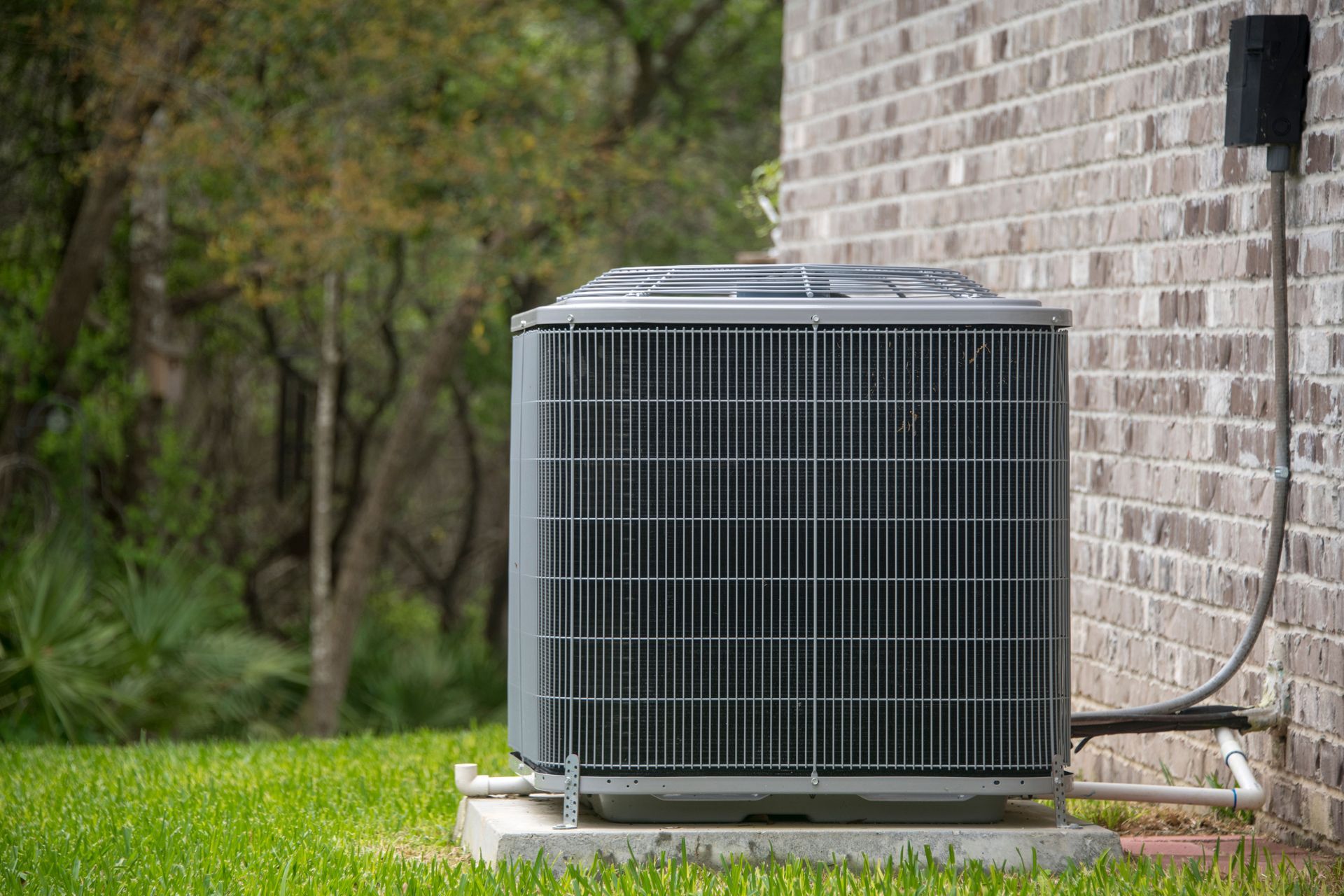
Seasonal preparation plays a significant role as well. Heating systems should be inspected before winter, while cooling equipment should be serviced before summer. Preparing systems for peak demand periods helps ensure reliable performance when energy consumption is highest. Through these targeted strategies, HVAC services enable property owners to control costs while maintaining comfortable indoor environments.
Efficiency improvements often extend beyond the HVAC equipment itself. Technicians may recommend insulation enhancements, sealing air leaks, or upgrading ventilation systems to improve overall building performance. These recommendations create a more comprehensive approach to energy management and can further reduce operating expenses.
Maximizing heating and cooling efficiency requires more than simply purchasing quality equipment. Routine maintenance, detailed diagnostics, strategic upgrades, and proactive repairs all contribute to improved system performance and reduced energy consumption. Professional HVAC services help identify hidden problems, extend equipment lifespan, and create more comfortable indoor environments while supporting long-term cost savings.
Property owners who prioritize efficiency often experience lower utility bills, fewer breakdowns, and greater confidence in their heating and cooling systems. By investing in preventive care and expert guidance, they can achieve reliable performance throughout every season. Over time,
HVAC services provide both financial and operational benefits that make them an essential part of responsible property management.
At Benchmark Service Company, Inc, we understand the importance of keeping your heating and cooling systems operating at peak efficiency. We provide professional solutions designed to improve performance, reduce energy waste, and extend equipment life. Contact us today, and let us help you maximize comfort, reliability, and long-term value for your property.