June 16, 2026
Winter brings the expectation of a warm and cozy indoor environment, but sometimes your system struggles to keep up with the dropping temperatures outside. Homeowners often face unexpected issues that disrupt their comfort and leave them shivering in their living rooms. When your system starts acting up, it is crucial to understand what those symptoms indicate about its overall health. Recognizing the early warning signs of trouble can save you from a complete breakdown during the coldest nights of the year. Many people ignore minor quirks, hoping they will resolve themselves, but these minor anomalies usually point to underlying complications that require professional attention. Prompt heating repair is vital to restoring your comfort and preventing further damage to your vital components. By familiarizing yourself with the usual suspects of system malfunctions, you empower yourself to make informed decisions about maintenance and service.
Recognizing Insufficient Warmth
A frequent complaint homeowners have is a system that runs continuously but fails to produce enough warmth. You might notice that certain rooms feel significantly colder than others, or the air coming from the vents feels lukewarm rather than hot. This issue often stems from a clogged filter restricting the airflow, preventing the system from distributing warmth evenly throughout your home. A compromised filter forces the system to work harder, accelerating wear and tear on crucial parts. Alternatively, the root cause could be a malfunctioning thermostat that inaccurately reads the room temperature and shuts the system down prematurely.
In more severe cases, the burners might be dirty or misaligned, failing to generate the necessary heat output. Addressing these performance drops promptly through professional heating repair ensures your living spaces return to a comfortable temperature. Ignoring the lack of warmth not only compromises your comfort but also significantly increases the mechanical strain on your unit as it labors to meet the demand. Consistent maintenance and timely interventions are the best defense against a consistently chilly house. Professional service technicians can thoroughly inspect the internal mechanisms, clean the necessary components, and recalibrate your thermostat to restore optimal functionality and efficiency.
Hearing Unusual Sounds
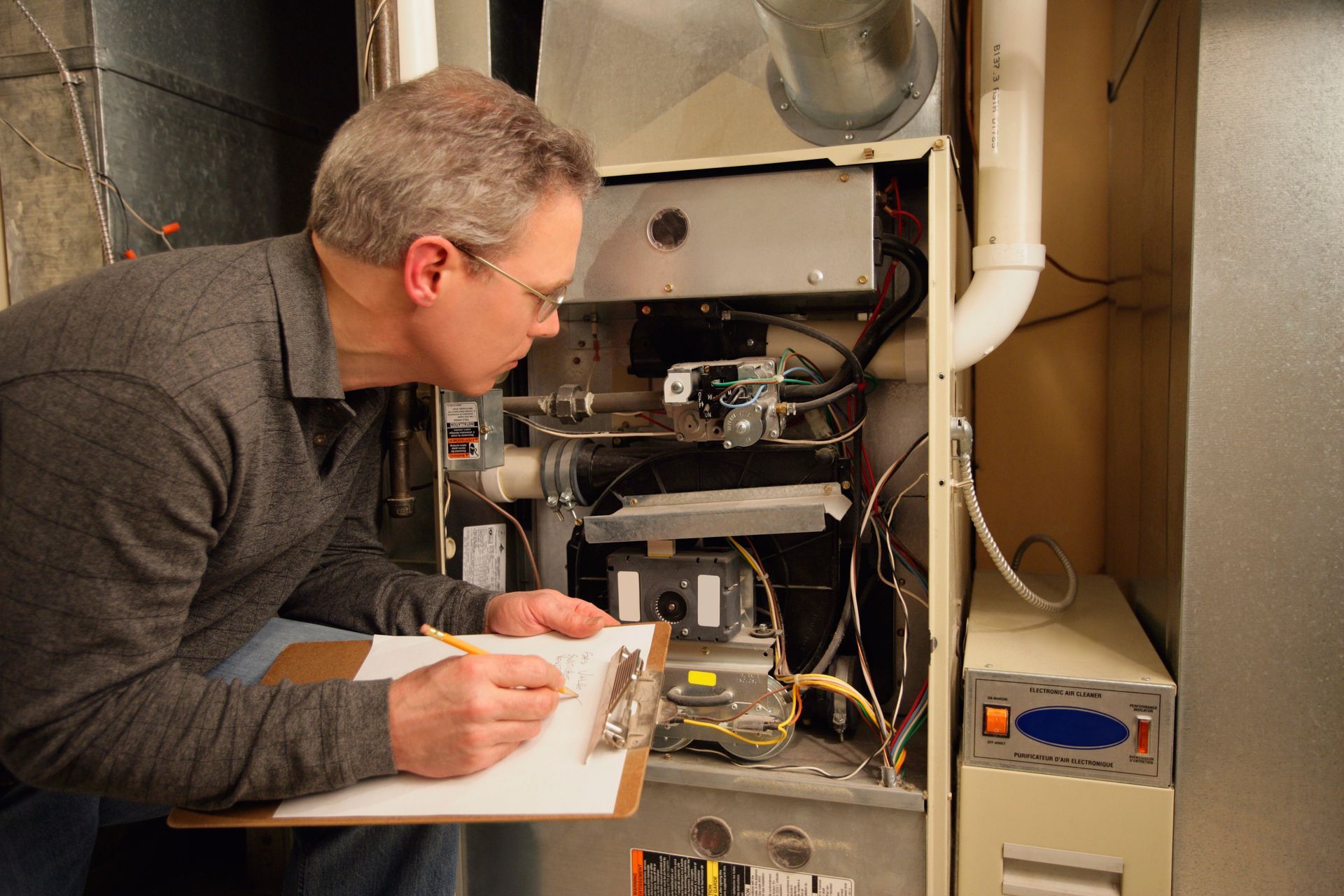
A properly functioning system should operate with a steady, quiet hum that fades into the background noise of your home. When you begin noticing loud, disruptive, or unfamiliar noises, it is a clear indicator that something is mechanically wrong. Banging or booming sounds when the system turns on often point to delayed ignition, where gas builds up before igniting with a small explosion. Squealing or screeching noises usually suggest a worn-out blower belt or a motor bearing that desperately needs lubrication. Meanwhile, rattling or vibration sounds might indicate loose panels, unfastened ducts, or even a cracked heat exchanger.
According to This Old House, a residential furnace possesses an expected operational lifespan of 15-25 years, but ignoring these alarming noises can severely shorten that timeframe. Addressing these auditory red flags early can prevent catastrophic internal damage. Many homeowners dismiss these sounds as normal aging, but they are often cries for help from the mechanical components. Relying on expert heating repair services allows a trained eye to diagnose the exact source of the noise. Replacing a frayed belt or securing a loose panel is a straightforward fix that restores the quiet, reliable operation you expect from your home comfort system.
Observing Constant Cycling
Another prevalent issue is short cycling, a condition where the system turns on and off far more frequently than it should. Instead of running a full, steady cycle to reach the desired temperature, it starts up, runs briefly, and then abruptly shuts down. This erratic behavior not only fails to adequately warm your home but also puts immense strain on the starter and motor. A common culprit for this behavior is an improperly sized unit; a system that is too large for the space will warm the area too quickly and shut off, while a unit that is too small will overheat and trigger safety shutoffs.
Another potential cause is poor airflow caused by obstructed vents or a deeply saturated filter. When the internal temperature of the unit rises too high due to restricted airflow, the high limit switch will force a shutdown to prevent a fire hazard. Dealing with this relentless sequence requires prompt and accurate heating repair. By having a technician evaluate the airflow, check the limit switches, and assess the sizing of the unit, you can stop the short cycling. Fixing this issue protects the motor from premature failure and stabilizes the indoor climate.
Experiencing Poor Airflow
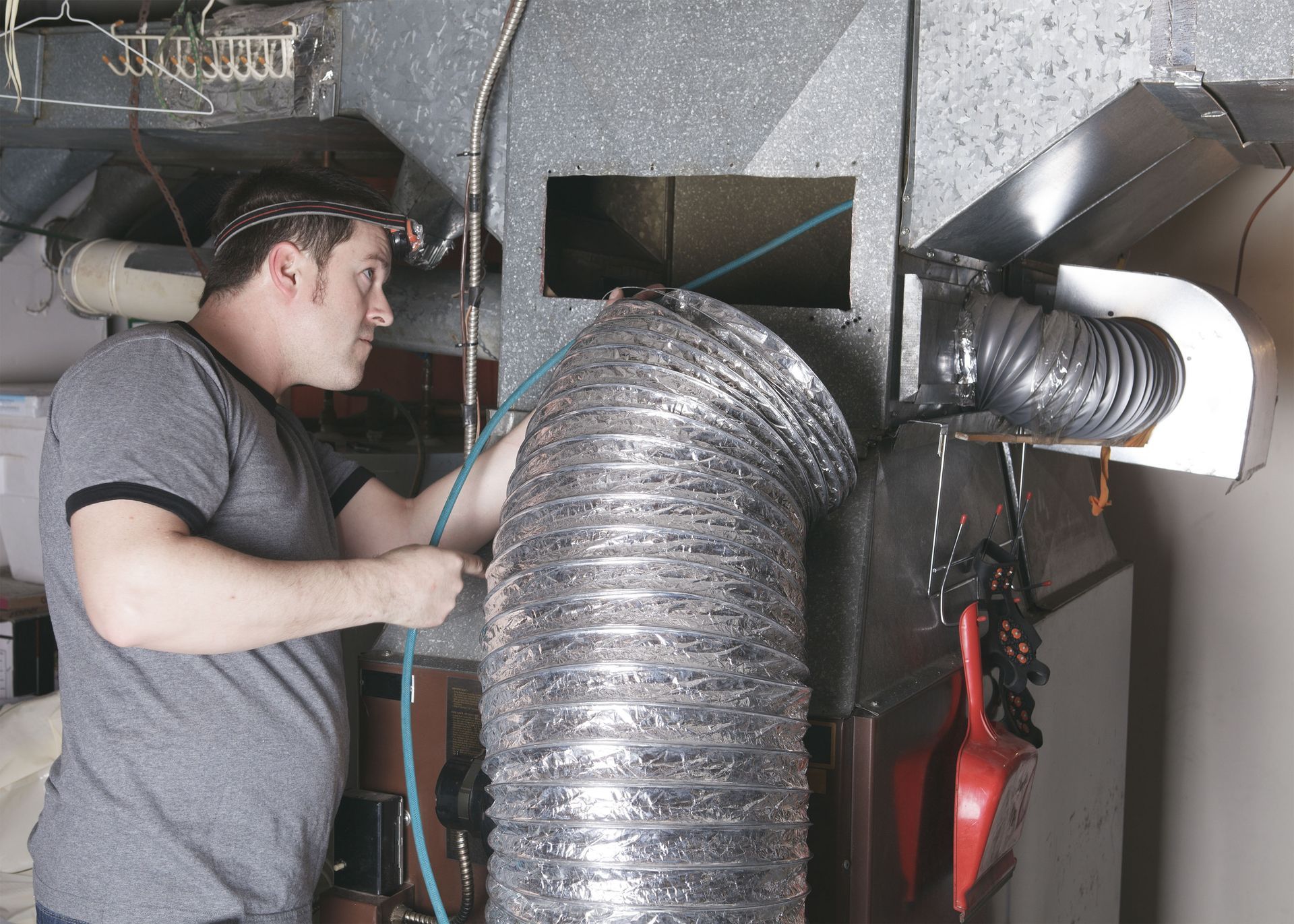
Even if the air coming from your vents is hot, weak airflow can prevent your home from reaching a comfortable temperature. You might stand directly over a register and barely feel a breeze, indicating a severe restriction somewhere in the distribution network. The most basic reason for this problem is a dirty filter, which acts as a barrier, choking off the air supply to the blower motor. Beyond the filter, the blower motor itself might be failing, lacking the power to push the heated air through the labyrinth of ducts. Additionally, the ductwork could be compromised by leaks, disconnections, or blockages, allowing the precious warm air to escape into the attic or crawlspace before it ever reaches your living areas.
Resolving weak airflow issues is a fundamental aspect of comprehensive heating repair. Restoring robust airflow improves your overall comfort and reduces the operational strain on your equipment. A thorough inspection of the ductwork and the blower assembly will identify the exact bottleneck. By sealing duct leaks and ensuring the blower operates at full capacity, you guarantee that every ounce of generated warmth is effectively delivered to the rooms where you need it most.
Smelling Strange Odors
Your sense of smell can also alert you to impending trouble with your winter comfort system. While a faint dusty smell is normal during the initial use of the season as settled particles burn off, persistent or unusual odors are cause for concern. A strong scent of burning plastic or electrical insulation suggests that wires are melting or the motor is overheating, creating a severe fire risk. Alternatively, a musty or damp smell coming from the vents indicates that moisture has accumulated within the ductwork or the unit itself, fostering biological growth.
The most dangerous odor is the smell of rotten eggs, which utility companies add to natural gas to alert homeowners of a leak. If you detect this specific scent, you must evacuate the premises immediately and contact emergency services. For all other unusual but non-emergency odors, scheduling a professional heating repair is the safest course of action. A technician can safely trace the source of the electrical burning smell, clean the components causing the musty odors, and ensure the entire system is operating without risking the safety and air quality of your home. Prioritizing these olfactory warning signs is essential for a safe household.
Ignoring the common symptoms of system malfunction only leads to more extensive damage and a noticeable decline in your daily comfort. Whether you are dealing with cold spots, unsettling noises, erratic cycling, weak airflow, or alarming odors, each issue carries a specific meaning about the internal state of your equipment. Recognizing these signs early allows you to address the underlying causes before they escalate into complete system failure. Proactive attention to these matters ensures that your home remains a warm, inviting refuge throughout the harshest winter months. If you are ready for dependable solutions to restore your home comfort, contact us at Benchmark Service Company, Inc today. We will help you diagnose these common problems and provide the precise adjustments needed to keep your home perfectly warm all season long, ensuring your family stays comfortable regardless of the freezing temperatures outside.